





















































Seven-minister committee formed to mitigate fallout from US-Israel war on Iran
Seven-minister committee formed to mitigate fallout from US-Israel war on Iran


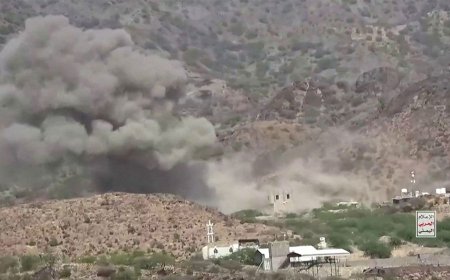
The government has formed a high-powered cabinet committee to prepare a crisis management plan aimed at protecting economic stability amid the ongoing US-Israel war on Iran, which shows no signs of easing.
The seven-member committee, headed by Finance Minister Amir Khosru Mahmud Chowdhury, will analyse developments related to the conflict in different countries and assess their potential impact on Bangladesh, according to a gazette notification issued yesterday.
Members of the committee include the ministers of local government, rural development and cooperatives; home affairs; power, energy and mineral resources; commerce; expatriates’ welfare and overseas employment; and food.
The committee has been asked to submit an assessment report within 15 working days and provide the Cabinet Division with monthly updates on the progress of measures taken to mitigate the impact, Cabinet Division officials told The Daily Star. The decision to form the committee was taken at a cabinet meeting last week chaired by Prime Minister Tarique Rahman.
According to the gazette notification, the finance ministry will provide secretarial support to the committee, which may co-opt additional members if necessary and hold meetings as required.
At a meeting on Monday, it was decided that the finance ministry would collect feedback from relevant ministries and prepare a draft report outlining the short-, medium- and long-term impacts of the war for submission to the cabinet committee. The committee will then review and finalise the report, officials said.
Sources at the meeting said there would be no immediate impact on fertiliser supply and irrigation in Bangladesh, as cultivation of Boro paddy — the country’s largest rice crop — has already been completed.
However, if the conflict drags on, sectors such as industry, electricity generation and transport could face disruptions due to their heavy reliance on fuel. The meeting discussed that the power and energy ministry would take steps to ensure coal-based power plants continue operating at full capacity.
“If there is any disruption in power generation from the plants, immediate measures will be taken,” a meeting source said.
To ensure the smooth operation of coal-based power plants, the meeting also emphasised clearing outstanding dues owed to the plants. A portion of the arrears has already been paid.
Officials also reviewed the possible impact of the war on foreign exchange reserves and inflation, as well as potential austerity measures. However, given the uncertainty surrounding the duration of the conflict, they said the government would respond based on how the situation evolves.
Asked about the government’s preparations in response to the war, Finance Minister Amir Khosru Mahmud Chowdhury said the government was moving forward by anticipating possible impacts.
“We cannot avoid it [the war]. So we will set our future projections taking its potential effects into account. We are aware of the risks and working accordingly,” he told reporters at a press conference on Monday.
Comparing the potential shock of the war to an earthquake, Zahid Hussain, former lead economist at the World Bank’s Dhaka office, said the scale of the impact would depend on both the intensity and duration of the conflict.
“The key question is not only the magnitude of the shock, but also how long it lasts. The longer it continues, the greater the damage,” he said.
What's Your Reaction?