































PM’s Possible Delhi Visit: Can Bangladesh and India Reset Bilateral Ties?
PM’s Possible Delhi Visit: Can Bangladesh and India Reset Bilateral Ties?

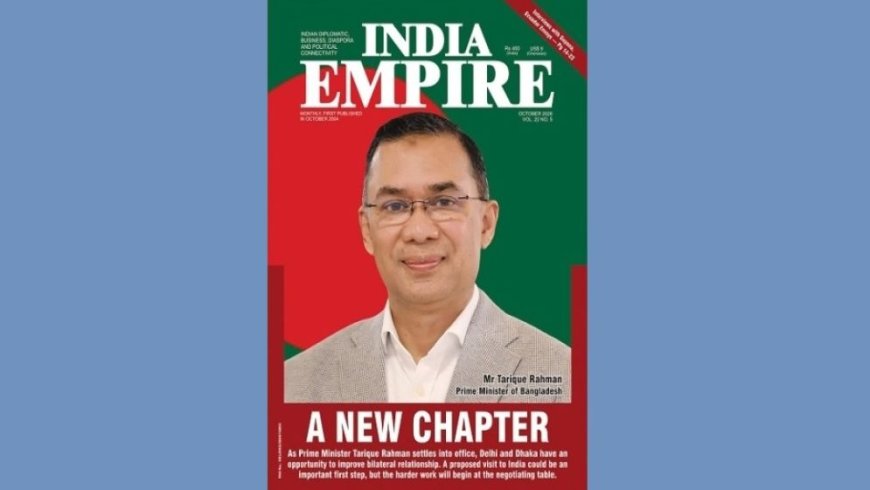
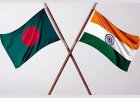
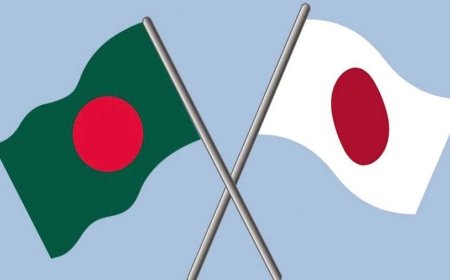
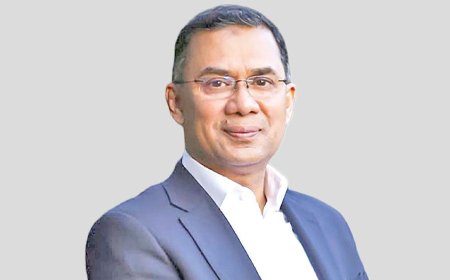
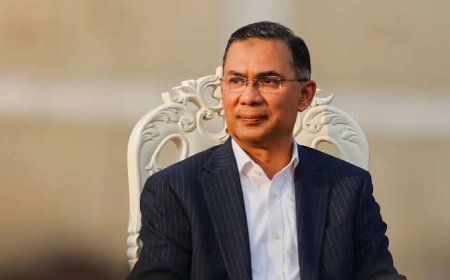
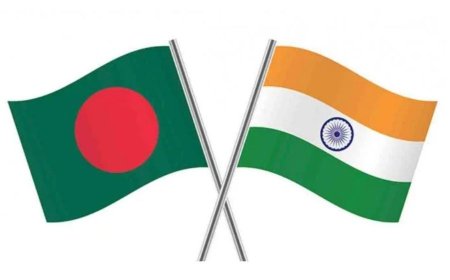
A possible visit by Bangladesh Prime Minister Tarique Rahman to New Delhi, with November reportedly among the dates being discussed, could provide an opportunity for Dhaka and New Delhi to repair relations strained since Sheikh Hasina’s ouster in August 2024.
Although India’s invitation remains open, both governments have indicated that the visit will depend on favourable circumstances. A meeting between the two leaders would be more than a diplomatic formality. The real challenge will be to translate goodwill into concrete cooperation while addressing the longstanding differences that have complicated relations between the neighbouring countries.
From Exile to Power
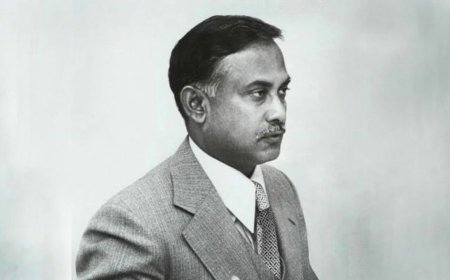
After spending nearly 17 years in London, Tarique Rahman returned to Dhaka on 25 December 2025. His return followed the political upheaval of August 2024 and marked a significant turning point for the Bangladesh Nationalist Party (BNP), founded by his father, Ziaur Rahman, and subsequently led by his mother, Khaleda Zia.
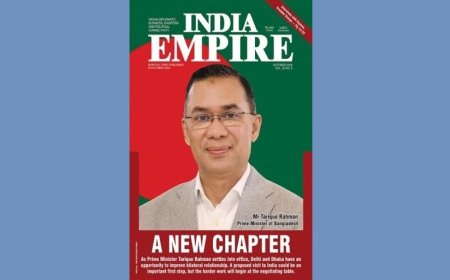
The BNP secured victory in the parliamentary election held on 12 February 2026, and Rahman was sworn in as prime minister on 17 February. His administration now faces the formidable task of restoring public confidence, strengthening democratic institutions and fulfilling its promises of economic progress and national unity.
Rahman has advocated national unity over political retaliation. His government's credibility will depend largely on its ability to uphold the rule of law, protect political pluralism and ensure that opposition parties can participate in the political process peacefully.
Delhi Signals Readiness to Engage
India's initial diplomatic outreach came when External Affairs Minister S Jaishankar visited Dhaka to attend Khaleda Zia's funeral. During the visit, he met Rahman and delivered a condolence letter from Indian Prime Minister Narendra Modi.
Following the BNP's election victory, Modi congratulated Rahman and expressed his readiness to work with the new administration to advance the vision of a democratic, progressive and inclusive Bangladesh.
Subsequent diplomatic developments have further indicated a willingness on both sides to strengthen engagement. India has appointed former Union Minister Dinesh Trivedi as its High Commissioner to Bangladesh, while New Delhi has approved Bangladesh Foreign Secretary Asad Alam Siam's appointment as the country's next High Commissioner to India.
These diplomatic initiatives suggest that both governments are interested in restoring communication and improving bilateral engagement. However, diplomatic appointments and goodwill alone will not be enough to resolve the deeper political and strategic differences between the two countries.
Unresolved Disputes Pose Challenges
The proposed visit comes against the backdrop of several contentious issues, including the long-pending Teesta water-sharing agreement, border security and Sheikh Hasina's presence in India. At the same time, trade, energy cooperation, regional connectivity and visa arrangements offer opportunities for constructive engagement.
Bangladesh needs greater investment, expanded export opportunities, reliable energy supplies and employment generation. At the same time, it seeks to preserve its strategic independence and pursue a balanced foreign policy.
Under its 'Bangladesh First' approach, the BNP has signalled that the country should avoid excessive dependence on any single external power. This position reflects Dhaka's interest in maintaining productive relations with India while retaining the freedom to strengthen partnerships with other countries.
India, for its part, will expect Bangladesh to take its security concerns seriously and maintain cooperation on matters of mutual interest. Building a sustainable relationship will require both governments to recognise each other's legitimate concerns, pursue reciprocal arrangements and demonstrate a genuine willingness to negotiate.
Religious inclusion and minority protection will also be important considerations. Addressing a Durga Puja gathering in Rangpur on 20 October, Rahman emphasised that Bangladesh belongs equally to Muslims, Hindus, Buddhists and Christians.
Turning this commitment into practice by ensuring equal rights, safety and security for religious minorities will be an important measure of the government's approach to inclusive governance.
Beyond Diplomatic Ceremonies
A well-prepared meeting between Rahman and Modi could establish the foundations for more regular and constructive dialogue between Dhaka and New Delhi. Progress in transport connectivity, energy partnerships, trade facilitation and visa services could produce tangible benefits for citizens and businesses on both sides of the border.
However, a successful reset will require realistic expectations. Neither government can expect the other to accommodate every demand, particularly on politically sensitive issues. Meaningful progress will depend on transparent agreements, sustained diplomatic engagement and a willingness to confront disagreements rather than allow them to undermine the broader relationship.
Both sides must also recognise that stable bilateral ties cannot rest solely on the personal rapport between political leaders. Institutional cooperation, consistent communication and mutually beneficial policies will be essential to ensuring that any improvement in relations survives future political changes.
Until an official date is announced, Rahman's possible November visit should be regarded as under discussion rather than confirmed.
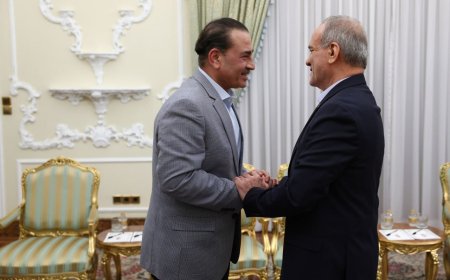
If the visit takes place, it could mark an important opening for a new phase in Bangladesh-India relations. But a meeting and a handshake will not, by themselves, constitute a diplomatic reset. The real test will be whether both neighbours can convert political goodwill into practical agreements, address their most contentious issues and build a relationship that respects their respective interests while delivering lasting benefits for their people.
What's Your Reaction?