

































































Violence against women at highest level in 17 years: Titumir
Violence against women at highest level in 17 years: Titumir

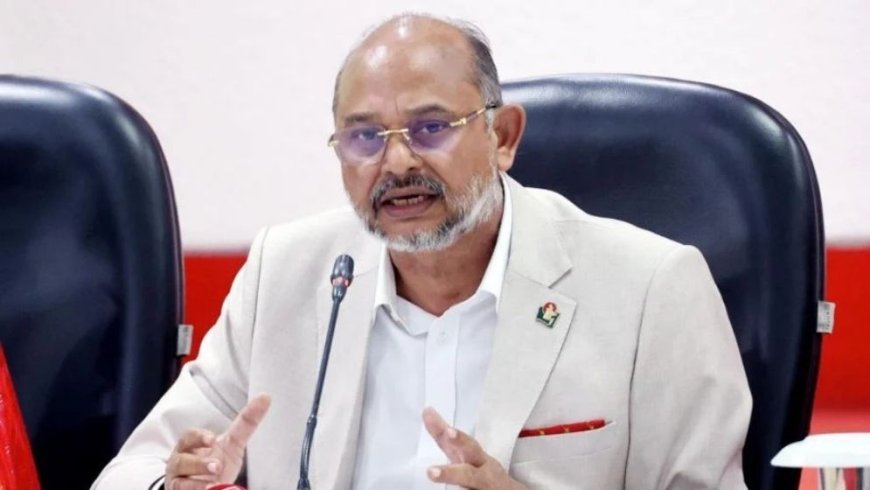
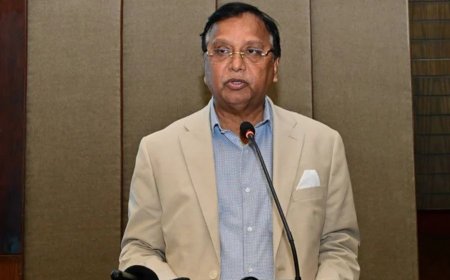
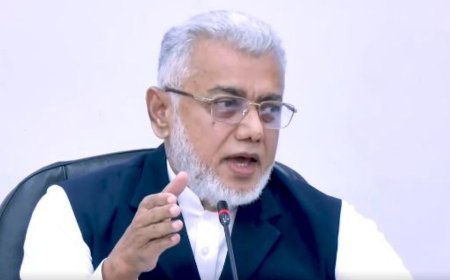
Prime Minister’s Adviser on Finance and Planning Prof Dr Rashed Al Mahmud Titumir said on Thursday that violence against women in Bangladesh had reached its highest level in 17 years, highlighting a stark gap between the development claims of the ousted government and the realities faced by people.
“However much the ousted government talked about development, there is no consistency between the development indicators and reality,” he said.
Titumir made the remarks as chief guest at a seminar titled “Land Rights and Violence against Women in Rural Bangladesh”, organised by the Association for Land Reform and Development (ALRD) at the CIRDAP auditorium in the capital.
He said violence within families continued when the state itself resorted to violence.
“When a state seeks to govern through fear, it creates a culture of fear through every step, and that also spreads into families,” he said.
According to Titumir, several indicators of patriarchy had worsened significantly over the past 17 years, with the impact reflected in the issues discussed at the seminar.
He also said the number of people living in poverty had risen because of problems inherited from the past. Citing some estimates, he said around one crore people had slipped into poverty from the lower-income group.
“After the previous government's social safety-net programmes ended, it was found that the number of poor people in the country had increased by one crore,” he said, accusing the previous government of promoting an “empty narrative of development.”
“We want to learn from the past. We want women to be beneficiaries throughout every stage of their lives. Our government wants to ensure their rightful entitlements during childhood, motherhood and old age,” he said.
Titumir stressed that sustained movements and struggles were essential to securing people’s rights and ensuring accountability from the state.
“There is no alternative to movements and struggles, as we have to try to establish our rights through these means and bring the state under accountability,” he said.
Turning to healthcare, the adviser said the government was working to improve the quality of medical services and upgrade upazila hospitals to 101 beds.
He noted that upazila hospitals were expanded to 20 beds during the tenure of Shaheed President Ziaur Rahman and later to 50 beds during the tenure of Begum Khaleda Zia.
“Unfortunately, no further initiative was taken in this regard,” he said.
Titumir said the government, under Prime Minister Tarique Rahman’s leadership, plans to upgrade the hospitals to 101 beds to make healthcare more accessible to people in rural areas.
He said the Constitution envisages a national healthcare system and Bangladesh should gradually raise health-sector expenditure to 5 percent of GDP over the next five years.
“This will help establish the democratic, humane and welfare state envisioned by the prime minister,” he said.
The adviser also urged people to contribute to implementing the “one village, one product” concept and called for greater involvement of organisations such as the Palli Karma-Sahayak Foundation (PKSF), Bangladesh Rural Development Board (BRDB) and SME Foundation in boosting rural economic activities.
He further stressed the need to reduce reliance on fossil fuels and expand the use of solar energy, urging those working in rural areas to encourage households, schools and offices to adopt solar power.
ALRD Chairperson Khushi Kabir chaired the discussion.
What's Your Reaction?