






























































US-China Tariff Dispute: Where Trade Tensions Stand Ahead of White House Summit
US-China Tariff Dispute: Where Trade Tensions Stand Ahead of White House Summit

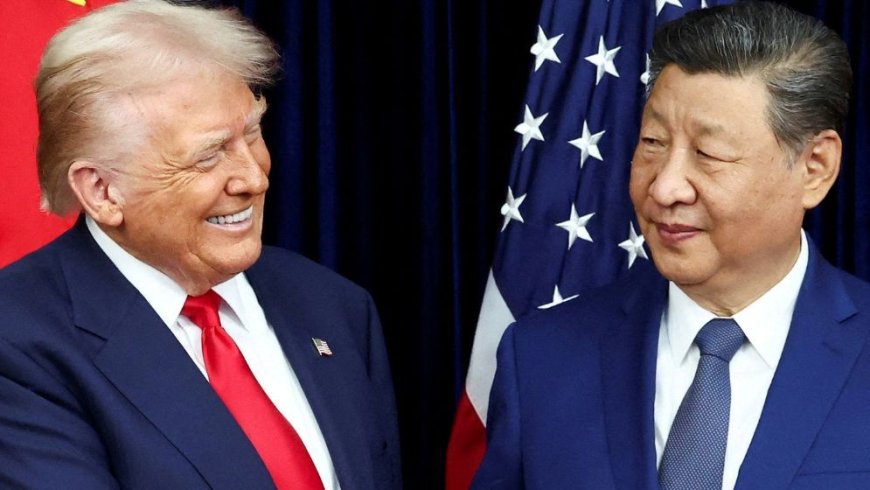
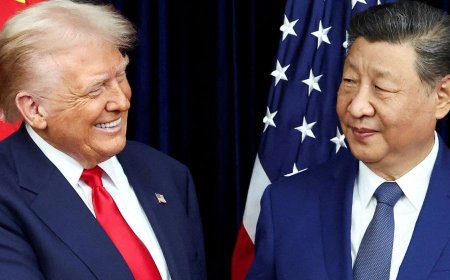
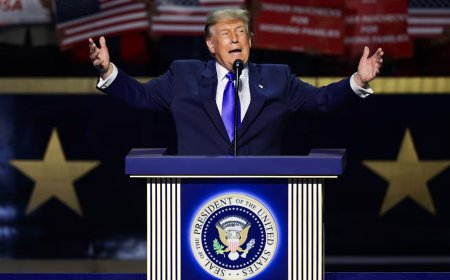
Trade tensions between the world’s two largest economies are expected to dominate the agenda next week when US President Donald Trump welcomes Chinese President Xi Jinping to the White House.
A fragile truce reached last October brought a halt to the rapidly escalating tariff conflict initiated by Trump, but the two countries have yet to reach a broad and lasting agreement.
Here is the state of play ahead of the summit, expected to be held on September 24:
How high are the current tariffs?
Tariffs have been a major source of tension in US-China trade relations since 2018, during Trump’s first presidency.
By April 2025, the US base tariff on Chinese imports had surged to 145%, while China responded with tariffs of up to 125%. Both countries have since substantially lowered those rates.
However, tariffs remain in place through a complicated mix of sector-specific measures.
According to the Penn Wharton Budget Model, the effective US tariff rate on Chinese imports stood at 22.8% in July, the highest among major US trading partners.
Steel and aluminium imports from China face some of the highest effective rates, reaching 40.5%, the research organisation said.
China continues to impose a 10% tariff on US goods, with additional duties applying to selected sectors, including a 15% levy on liquefied natural gas.
How much trade is continuing?
Despite the tariff dispute, trade between the two economic giants has remained substantial.
Chinese customs data shows that combined imports and exports between the two countries totalled $400.8 billion during the first eight months of this year, up 5.4% from the same period in 2025.
However, the trade balance remains heavily tilted towards China, with Chinese exports making up around 75% of the total.
Washington has long criticised Beijing’s growing trade surplus, while similar trade imbalances with the European Union have also contributed to tensions between Washington and Brussels.
What is being discussed?
Trump said Sunday that he expected to discuss “almost everything” with Xi during the summit.
Tariffs are nevertheless expected to remain the central issue. Dan Wang, a director on Eurasia Group’s China team, told AFP that tariffs are “the main issue on the agenda”, adding that Xi would likely expect concrete progress on tariffs or a broader trade truce from the meeting.
China and the United States are currently discussing a framework to reduce tariffs covering $30 billion worth of products on each side, according to China’s commerce ministry.
The objective was agreed during Xi’s previous meeting with Trump in Beijing in May. The two leaders also agreed to establish trade and investment councils aimed at managing bilateral economic disputes.
US Treasury Secretary Scott Bessent said Tuesday that he would meet Chinese Vice Premier He Lifeng this weekend for talks expected to prepare the ground for the White House summit.
What leverage does China have?
China demonstrated its leverage during last year’s tariff confrontation by imposing strict export controls on rare earths and other critical minerals that are essential to high-tech industries and whose processing is heavily concentrated in China.
Wang of Eurasia Group said China retains significant leverage heading into the latest negotiations.
She noted that China’s supply chains remain highly adaptable and that its export growth has so far not been substantially weakened by US tariffs.
Xi has also strengthened his diplomatic position through a series of high-profile international engagements. This month, he met several foreign leaders, including Russian President Vladimir Putin and Indian Prime Minister Narendra Modi, and travelled to Bishkek, Cairo and New Delhi.
What does Trump want?
With oil prices rising amid renewed fighting involving the United States and Iran, the Trump administration is seeking to address concerns over the US economy ahead of November’s crucial midterm elections.
Encouraging Beijing to commit to buying more US agricultural products, particularly soybeans, has remained a recurring US objective in trade negotiations.
The summit will also offer Trump an opportunity to host a major diplomatic engagement at the White House. It would mark Xi’s first visit to the US capital in 11 years.
What other issues could complicate the talks?
Several contentious issues could make it difficult for Washington and Beijing to secure a comprehensive agreement.
China’s economic and diplomatic ties with Iran remain a significant point of contention. Recent Wall Street Journal reports alleged that Chinese entities provided Iran with satellite imagery of a military facility housing US troops in Jordan.
Technology competition is another major area of dispute, particularly over artificial intelligence.
The US government last week accused Chinese AI laboratories of acquiring technology and capabilities from American companies on what it described as an “industrial scale.”
What's Your Reaction?