





















































Saudi Arabia says Houthis targeted Makkah, warns security of holy sites is a ‘red line’
Saudi Arabia says Houthis targeted Makkah, warns security of holy sites is a ‘red line’

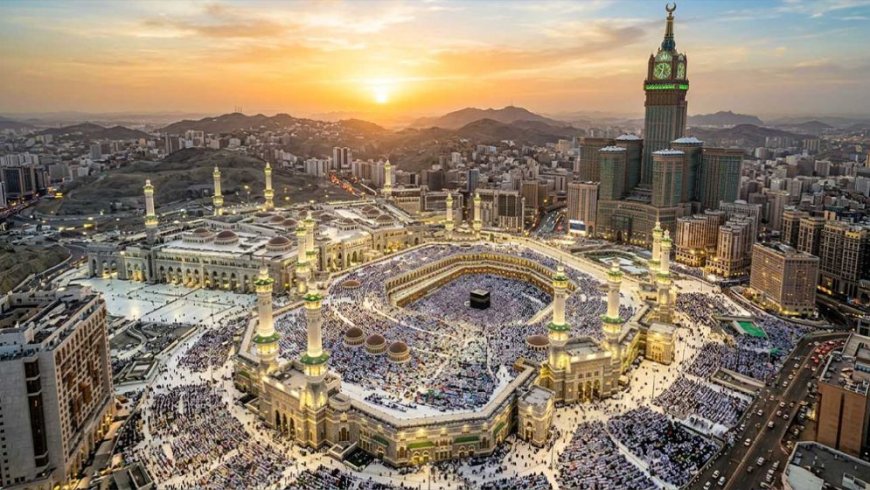
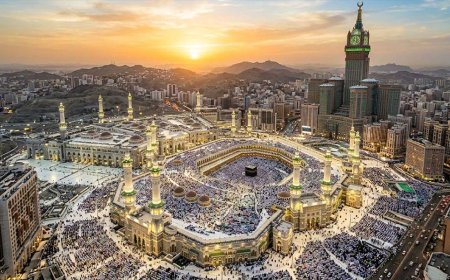
The Saudi-led coalition fighting Yemen’s Houthi rebels on Wednesday accused the group of targeting Makkah, Islam’s holiest city, triggering outrage across the Muslim world and adding to tensions gripping the region.
The latest escalation between the Iran-backed Houthis and Saudi-supported Yemeni government forces has drawn Saudi Arabia deeper into the conflict. The Houthis have declared a maritime blockade against the kingdom and begun targeting Saudi-linked vessels in the Red Sea.
In a rapid offensive last week, the Houthis reportedly captured Yemen’s entire Red Sea coastline and the Bab al-Mandab Strait, a strategically important waterway for Saudi oil shipments as the wider regional conflict disrupts traffic through the Strait of Hormuz.
The Houthis rejected Riyadh’s claim that Saudi air defences had intercepted a rebel drone heading towards Makkah, calling the allegation a “lie”.
“Claims about targeting Makkah are a worn-out lie that has been used before and no longer fools anyone,” Houthi politburo member Hazem al-Assad said on X.
The Saudi-led coalition, meanwhile, warned of retaliation and declared the security of Islam’s holy sites a “red line”.
“The security of the Two Holy Mosques and the pilgrims is a red line,” the coalition said in a statement shared on X by its spokesman Turki al-Maliki. It added that its Joint Forces Command would take “necessary and deterrent measures” against the Houthi militia.
The Organisation of Islamic Cooperation (OIC), which represents 57 Muslim-majority countries, condemned what it described as a “heinous” attack.
Saudi authorities had issued brief alerts on Tuesday warning of possible attacks in Makkah and several areas of the kingdom’s south bordering Yemen.
The alerts, including the first such warning issued for Makkah since the regional war began in February, came a day after a series of ballistic missile and drone attacks launched from Yemen injured 13 people in southern Saudi Arabia.
Fighting intensified in July when the Houthis, who have controlled large parts of northern Yemen for years, launched a major offensive against forces loyal to the Yemeni government.
According to the United Nations, the renewed conflict has displaced around 82,000 people since the beginning of September.
Yemen’s permanent representative to the UN, Abdullah al-Saadi, said Yemeni forces were seeking to restore “national institutions across every inch of their land” and urged the international community to take action against the Houthis.
'Hostile and extremist'
The appeal came as Saudi Arabia and Egypt called for freedom of navigation in the Red Sea following the Houthi offensive in the strategic waterway.
Saudi Crown Prince Mohammed bin Salman and Egyptian President Abdel Fattah al-Sisi on Tuesday called for measures to ensure “the freedom and security of maritime navigation” through the Strait of Hormuz and Bab al-Mandab, which connects the Red Sea with the Gulf of Aden, according to Egypt’s presidency.
The renewed fighting has revived Yemen’s civil war, which had largely remained dormant since 2022, forcing Riyadh to rapidly adjust its response.
US media reported last week that the Saudi crown prince had personally asked President Donald Trump for US intervention but that Washington declined the request.
The Houthis have maintained that they pose no threat to navigation through Bab al-Mandab, except to Saudi vessels.
Further attacks in the waterway could make the route less attractive to international shipping companies.
Disruption in Bab al-Mandab could also hurt Egypt, as the Red Sea provides access to the Suez Canal, a major source of foreign currency revenue for Cairo.
Suez Canal revenues are currently estimated at roughly half their pre-2023 levels, when the Houthis began attacking commercial shipping in the Red Sea. The group said those attacks were carried out in solidarity with Palestinians during Israel’s war against Hamas in Gaza.
Qatar on Tuesday warned of severe consequences if Bab al-Mandab were closed, describing such a development as “catastrophic for the entire world”.
The Houthis have also attacked oil infrastructure in Saudi Arabia, the world’s largest crude exporter, contributing to a rise in global oil prices above $100 a barrel.
The Saudi-led coalition said it would respond firmly to protect the kingdom’s sovereignty and pledged to take “all necessary operational measures” to deter what it called a “hostile and extremist approach”.
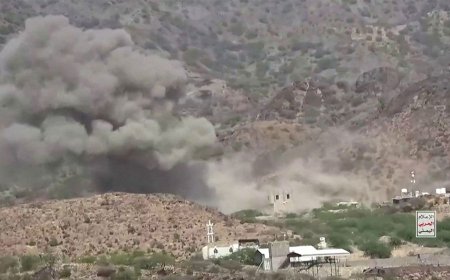
Houthi military spokesman Yahya Saree said Tuesday that Saudi Arabia had carried out 52 airstrikes on Yemen over the previous 24 hours, accusing Riyadh of hitting civilian infrastructure, including schools and bridges.
Despite the Saudi-led strikes, the Houthis have continued to retain their recent territorial gains.
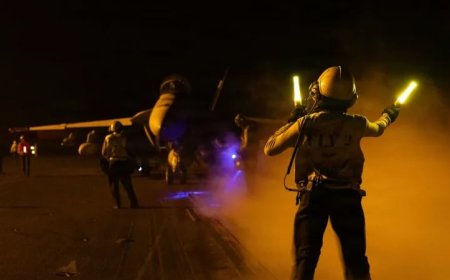
A US military task force is also working to strengthen intelligence-sharing and provide planning assistance to Saudi forces as they confront continued attacks, a US official told AFP on Tuesday.
What's Your Reaction?