






































The EU observation mission has described the polls as credible and competitive
The EU observation mission has described the polls as credible and competitive.

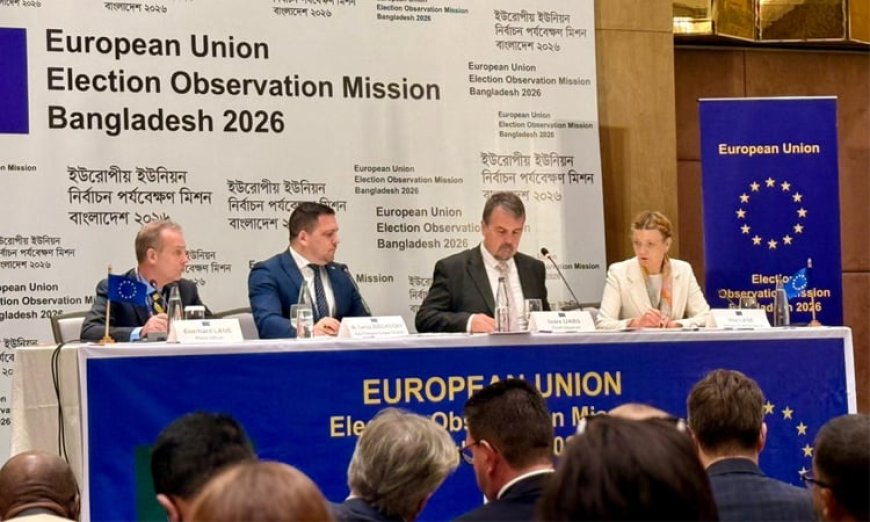
The European Union Election Observation Mission (EU EOM) on Thursday described Bangladesh’s 13th parliamentary elections as credible and professionally administered, calling the polls a key milestone in restoring democratic governance and the rule of law.
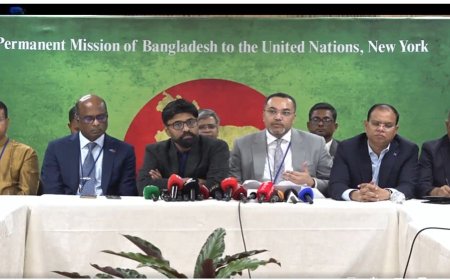
Ivars Ijabs, Member of the European Parliament and Chief Observer of the EU EOM, presented the mission’s preliminary findings on the 12 February elections at a press conference in the capital.
A delegation of Members of the European Parliament, led by Tomáš Zdechovský, fully endorsed the statement.
“The 2026 parliamentary elections were credible and competently managed, marking an important step toward restoring democratic governance and the rule of law. This historic vote was genuinely competitive, with fundamental freedoms largely respected,” Ijabs said.
He noted that the electoral legal framework broadly aligns with international standards, and that the Bangladesh Election Commission operated independently and transparently, maintaining stakeholder confidence and strengthening the integrity of the process.
Ijabs also underscored the significant contributions of citizen observers, fact-checkers, and youth and women activists in rebuilding public trust, increasing transparency, and enabling voters to make informed choices.
According to EU observers, Election Day was orderly, calm and even festive, with polling staff efficiently overseeing the opening, voting and counting procedures. The presence of party agents throughout the process reinforced transparency, while regular updates on results tabulation at the local level by returning officers and traditional media outlets helped sustain public confidence. However, the mission noted that independent participation of persons with disabilities was not consistently ensured.
The Chief Observer pointed out that limited political space for women hindered equal participation. He also cited sporadic localised political violence and a lingering fear of mob attacks—often fuelled by disinformation—as factors that negatively affected the democratic environment.
He further observed that the absence of affirmative measures continues to leave indigenous communities and minority groups underrepresented in politics.
“It is time to move beyond outdated practices that no longer reflect the growing maturity of Bangladesh’s democracy and to pursue a new path centred on independent institutions, human rights and accountability,” Ijabs said.
Zdechovský added that the country is entering a crucial new phase and urged the incoming parliament and government, along with other state institutions, to implement the reforms that have been approved.
The EU EOM has been deployed in Bangladesh since late 2025. On Election Day, the mission fielded 223 international observers from all EU Member States, as well as Canada, Norway and Switzerland, across all 64 administrative districts.
The mission will continue monitoring the post-election environment and is expected to release a final report, including recommendations for future improvements, in the coming months.
What's Your Reaction?