































































Record-breaking US government shutdown ends, triggering political fallout
Record-breaking US government shutdown ends, triggering political fallout

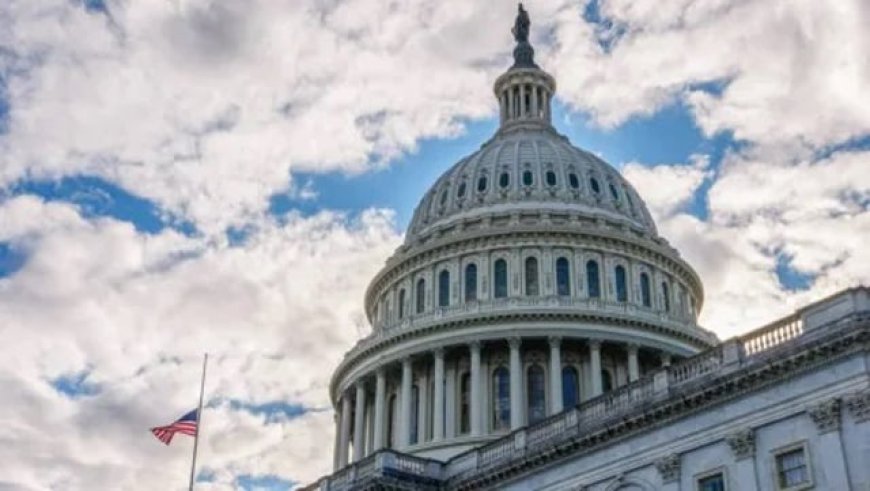
Congress on Wednesday brought an end to the longest government shutdown in US history — 43 days of paralysis that left hundreds of thousands of federal workers unpaid as Donald Trump’s Republicans and the Democrats waged a fierce blame game in Washington.
The Republican-controlled House of Representatives voted largely along party lines to approve a Senate-passed funding package to reopen federal departments and agencies. Many Democrats, however, expressed frustration, calling it a surrender by their party leadership.
“They knew it would cause pain, and they did it anyway,” House Speaker Mike Johnson said in a sharp speech ahead of the vote, blaming Democrats for the standoff. “The whole exercise was pointless. It was wrong and it was cruel.”
The measure — which Trump is expected to sign later Wednesday — funds military construction, veterans’ affairs, the Department of Agriculture, and Congress through next fall, while financing the rest of the government until the end of January.
Roughly 670,000 furloughed civil servants will return to work, while another 670,000 who worked without pay — including over 60,000 air traffic controllers and airport security officers — will receive back pay. The agreement also reinstates federal employees dismissed by Trump during the shutdown, and air travel disruptions are expected to gradually ease.
The White House said Trump would sign the bill at 9:45 p.m. (0245 GMT) in the Oval Office.
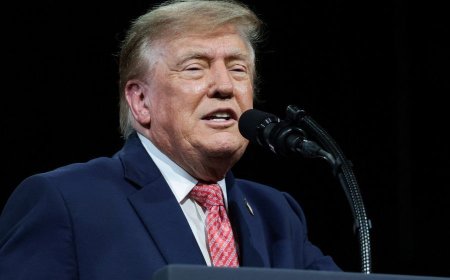
Though Trump offered little public reaction, he used social media to falsely accuse Democrats of costing the country “$1.5 trillion... with their recent antics of viciously closing our Country.”
The full economic impact remains unclear, but the Congressional Budget Office estimates losses of around $14 billion in growth.
— ‘Not backing away’ —
With only a two-vote majority, Johnson’s Republicans faced little margin for dissent. Meanwhile, Democratic leaders, furious at what they viewed as a Senate cave-in, had urged their members to vote no — and most did.
Although polls showed public sympathy largely with Democrats during the impasse, many observers believe Republicans emerged politically stronger.
For more than five weeks, Democrats refused to reopen the government unless Trump agreed to extend pandemic-era tax credits that help millions afford health insurance. Recent state election wins had buoyed Democratic morale — until eight moderate senators broke ranks, cutting a deal with Republicans that promised only a Senate vote on health care subsidies, without House consideration or any binding commitment.
The compromise has sparked soul-searching within Democratic ranks. Leaders argue that even if they failed to secure policy gains, they succeeded in drawing national attention to Republican health care policies — a theme they hope to capitalize on in the 2026 midterms.
“Over the last several weeks, we have successfully elevated the issue of the Republican health care crisis, and we’re not backing away from it,” House Minority Leader Hakeem Jeffries told MSNBC.
Yet Senate Majority Leader Chuck Schumer faces growing criticism from progressives for losing control of his caucus, with a handful of House Democrats calling for his resignation.
Outside Washington, prominent Democratic governors and potential 2028 presidential contenders also weighed in. California’s Gavin Newsom slammed the agreement as “pathetic,” Illinois Governor JB Pritzker dismissed it as an “empty promise,” and former transportation secretary Pete Buttigieg labeled it “a bad deal.”
What's Your Reaction?