




























US surveillance powers expire amid World Cup security concerns
US surveillance powers expire amid World Cup security concerns
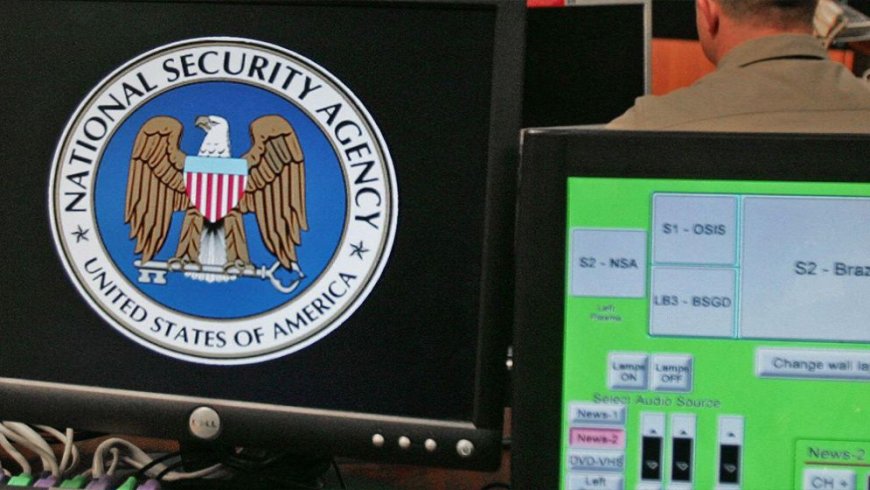
A key US surveillance authority expired on Saturday, intensifying national security concerns as the FIFA World Cup begins and political deadlock in Washington over President Donald Trump's intelligence leadership continues.
Section 702 of the Foreign Intelligence Surveillance Act (FISA) had enabled US intelligence agencies to monitor communications of foreign targets abroad without obtaining a warrant, including exchanges involving individuals inside the United States.
Officials have long regarded the provision as one of the country's most effective tools for counterterrorism and counterespionage efforts. However, privacy advocates and lawmakers from both parties have repeatedly argued that the program can collect Americans' communications without sufficient oversight.
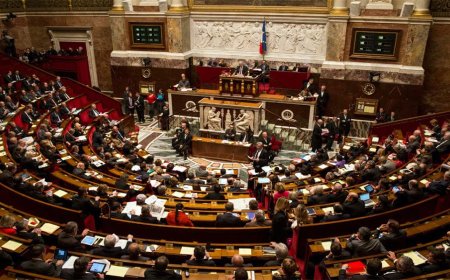
The authority lapsed at midnight on Friday after both the House of Representatives and the Senate failed to approve a temporary extension on Thursday.
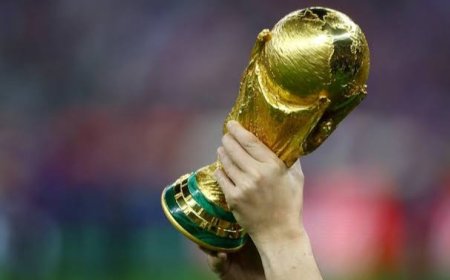
The expiration comes as the United States co-hosts the World Cup alongside Canada and Mexico, welcoming supporters from the tournament's 48 participating nations amid heightened geopolitical tensions involving Iran and other global flashpoints.
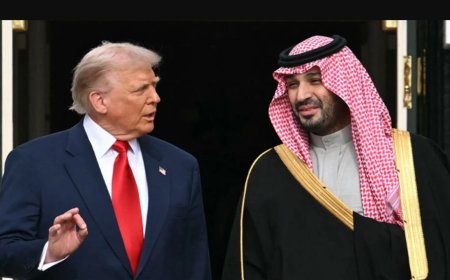
Trump had urged Congress to preserve the surveillance program, citing both the World Cup and next month's celebrations marking the 250th anniversary of US independence as major security challenges requiring robust intelligence capabilities.
FBI Director Kash Patel said earlier this week that preventing terrorist attacks during the World Cup is the agency's highest priority. He noted that the tournament, spread across 11 host cities, is expected to be one of the largest sporting events ever held in the United States, attracting millions of international visitors.
"Extremists have used major global sporting events in the past to do harm and spread their twisted ideologies," Patel said, pledging that the FBI would work "non-stop" to protect players, fans, Americans and foreign visitors throughout the competition.
Uncertain impact
The immediate effects of the expiration remain unclear because surveillance activities conducted under Section 702 operate under annual certifications approved by the secretive Foreign Intelligence Surveillance Court.
A new certification was granted in March, meaning some existing surveillance operations could, in theory, continue until March 2027 even without new congressional approval.
However, lawmakers and intelligence specialists warn that the legal situation is far from straightforward, particularly if telecommunications and technology companies conclude they no longer have adequate legal protections to comply with government surveillance requests.
Senator Mark Warner, the leading Democrat on the Senate Intelligence Committee, said the situation remains largely untested.
"The certification runs through March, but what we believe is that communication providers — the telecom companies, Google and others — may refuse to provide information if they no longer have the indemnification protections granted by law," Warner told reporters at the US Capitol.
The dispute stems partly from longstanding privacy concerns but intensified after Trump sought to appoint a loyal yet inexperienced housing official as acting intelligence chief, despite criticism that the individual had used government records to target Trump's political opponents.
With the House not scheduled to return until June 23 and the Senate also leaving Washington, there is currently no clear legislative route to quickly reinstate the authority.
Warner accused Trump of throwing "a live hand grenade" into what had been a difficult but potentially successful bipartisan negotiation.
"God forbid that something happens as we head into the World Cup," Warner said.
"But if it does, the responsibility lies with the president. We do not want to enter the World Cup without all of the tools available to us, and this is a critical one."
What's Your Reaction?