



























































Understanding the National Budget: What It Is and Why It Matters
Understanding the National Budget: What It Is and Why It Matters

Understanding the National Budget: What It Is and Why It Matters
As Bangladesh prepares to present its national budget on Thursday (11 June), public discussion is once again centering on taxation, government expenditure, borrowing and economic growth. Although the budget has a direct impact on the lives of citizens, many people remain uncertain about what a national budget actually entails and why it is so important to a country's development.
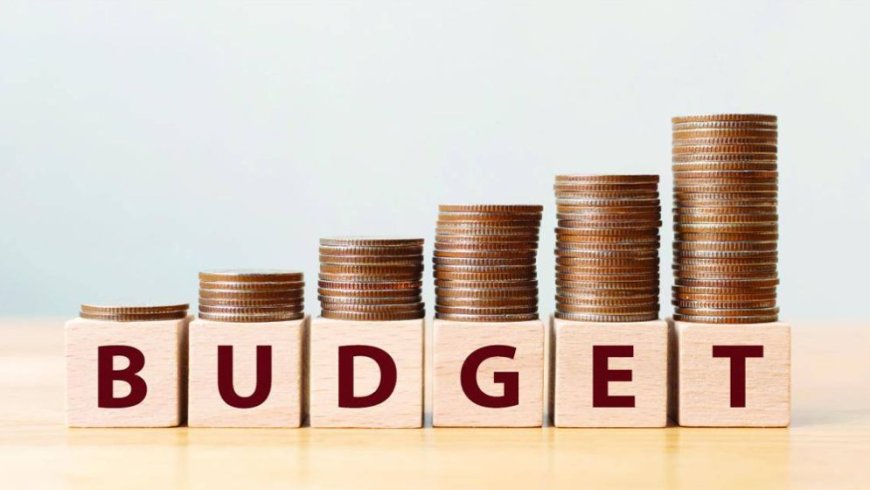
At its most basic level, a national budget is the government's annual financial plan. It outlines how much revenue the state expects to collect and how it intends to spend those resources during a fiscal year. Just as households and businesses plan their finances, governments use budgets to fund public services, undertake infrastructure projects and pursue broader economic and social objectives.
However, a national budget differs significantly from a personal budget. Individuals generally determine their spending based on their income. Governments, by contrast, first set spending priorities—such as healthcare, education, infrastructure and social protection—and then identify the resources needed to finance those commitments. If planned expenditures exceed expected revenues, governments typically resort to borrowing to bridge the gap.
Types of National Budgets
National budgets are generally classified into three categories based on the relationship between income and expenditure.
A balanced budget occurs when government revenues and expenditures are equal. Often viewed as a sign of fiscal prudence, balanced budgets are typically associated with periods of economic stability.
A surplus budget is recorded when revenues exceed expenditures, enabling the government to reduce debt, strengthen reserves or invest additional resources elsewhere.
A deficit budget, the most common form in developing countries, arises when spending surpasses revenue collection.
Economists argue that budget deficits are not necessarily harmful. During economic downturns, governments often spend more than they earn to stimulate demand, create jobs and support growth. In countries such as Bangladesh, moderate deficits can help finance essential infrastructure and development projects that contribute to long-term economic progress.
That said, excessive deficits can fuel inflation, increase debt-servicing burdens and undermine fiscal stability. Many economists consider a deficit of up to 5 percent of Gross Domestic Product (GDP) manageable, provided borrowing remains sustainable.
How Governments Finance Deficits
When expenditures exceed revenues, governments generally rely on two principal sources of financing: foreign borrowing and domestic borrowing.
Foreign borrowing includes loans from development partners, multilateral agencies and foreign governments. These loans often come with relatively low interest rates and longer repayment periods, making them attractive for financing development initiatives.
Domestic borrowing, on the other hand, involves raising funds from banks and non-bank sources such as national savings certificates. While it can provide quick access to financing, excessive domestic borrowing may crowd out private investment and increase future interest obligations.
Economists also warn that heavy reliance on domestic borrowing can contribute to inflationary pressures and place additional strain on public finances over time.
Revenue and Expenditure: The Two Pillars of the Budget
Every national budget rests on two key components: revenue and expenditure.
Government expenditure is broadly divided into revenue expenditure and development expenditure.
Revenue expenditure covers the routine costs of running the state, including salaries and benefits for public servants, law enforcement, defence, public administration, subsidies, social safety-net programmes and interest payments on government debt.
To finance these expenditures, governments generate revenue from both tax and non-tax sources.
Tax revenues include income tax, corporate tax, customs duties, Value Added Tax (VAT), supplementary duties and other levies. Non-tax revenues come from sources such as state-owned enterprises, service charges, tolls, rents, leases, fines and various government fees.
Development Spending: Building for the Future
Beyond meeting its day-to-day operational expenses, the government allocates funds for development activities designed to improve the country's long-term economic and social prospects.
Development expenditure supports the construction of roads, bridges, power plants, schools, universities, hospitals and other critical infrastructure. Such investments improve public services, boost productivity, attract investment and create employment opportunities.
In Bangladesh, the bulk of development spending is implemented through the Annual Development Programme (ADP), the government's primary vehicle for carrying out major public investment projects.
Why the Budget Matters
The national budget is much more than a statement of income and expenditure. It reflects a government's priorities, policy choices and vision for the future.
Decisions regarding taxation, public spending and borrowing influence inflation, investment, employment, social welfare and overall economic growth. For businesses, the budget helps shape the investment environment. For citizens, it affects the cost of living, access to public services and economic opportunities.
Ultimately, the budget serves as the country's economic roadmap. As Bangladesh faces both domestic challenges and global uncertainties, maintaining the right balance between development aspirations, fiscal discipline and macroeconomic stability will remain one of the government's most important responsibilities.
What's Your Reaction?