

























































Three Years In, Universal Pension Scheme Struggles to Gain Momentum
Three Years In, Universal Pension Scheme Struggles to Gain Momentum

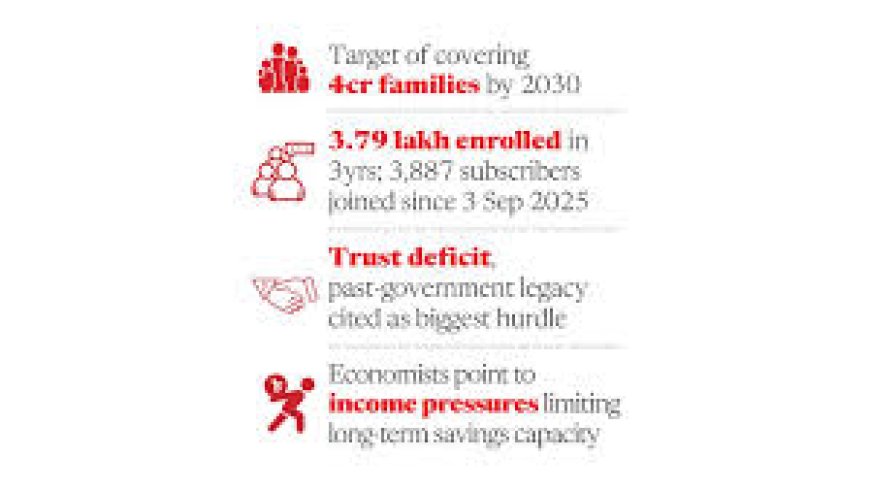
Three years after its high-profile launch, Bangladesh’s Universal Pension Scheme is struggling to gain traction, with just 3,79,167 subscribers enrolled so far, according to official data.
The figure falls far short of the government’s goal of enrolling at least one person from each of nearly four crore families by 2030.
Data from the National Pension Authority, updated to 27 August 2026, show that subscribers across the scheme’s four components — Probash, Progoti, Surokkha and Somota — have contributed a total of Tk284.18 crore.
Enrolment has virtually stalled. Only 3,887 new subscribers joined over the roughly one-year period since 3 September 2025, when total membership stood at 3,75,280.
The slow growth is particularly concerning given Bangladesh’s large informal workforce. Around 85% of the country’s labour force works in the informal sector, where institutional pension coverage remains limited. The Universal Pension Scheme was introduced largely to provide these workers with financial security in old age.
Three years into the programme, however, only a small share of the working-age population has enrolled, while an increasing number of existing subscribers are failing to maintain regular contributions.
Trust deficit remains a major hurdle
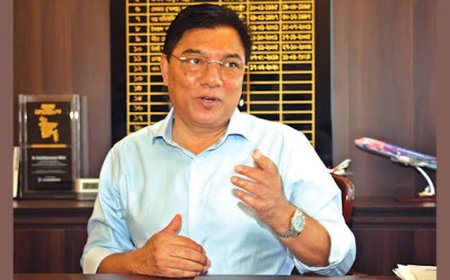
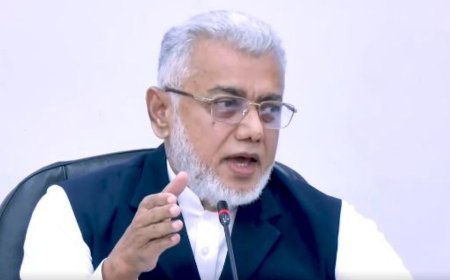
National Pension Authority Executive Chairman Dr Md Suratujjaman said restoring public confidence remains one of the biggest challenges facing the scheme.
“Several initiatives have been taken to address the problems, particularly to overcome the trust deficit created during the previous government,” he told Daily Sun, expressing hope that the impact of these measures would become visible soon.
Those familiar with the situation said concerns over the safety of deposited funds, transparency in investment decisions and uncertainty about the scheme’s long-term sustainability have contributed to the lack of confidence among potential and existing subscribers.
Somota leads in membership, Progoti in funds
Among the four pension components, Somota, designed for low-income earners, has attracted the largest number of subscribers. It has 2,87,177 members who have contributed Tk56.43 crore.
Under Somota, subscribers contribute Tk500 a month, while the government provides an equal Tk500 contribution, making the scheme relatively attractive to lower-income groups.
Surokkha, aimed at informal-sector workers, has 65,113 subscribers and total contributions of Tk81.13 crore.
Progoti, designed for employees of private organisations, has 25,751 subscribers but holds the largest amount of funds, with contributions totalling Tk134.88 crore.
Probash, which targets expatriate Bangladeshis, has performed the weakest, with only 1,126 subscribers and Tk11.74 crore in contributions.
Affordability and uncertainty discourage participation
Experts say the long-term nature of pension savings makes confidence in future benefits crucial. Subscribers may have to contribute for 10 to 30 years, making certainty over eventual payouts a key factor in deciding whether to participate.
A lack of detailed public information about how pension funds are invested, the associated risks, expected returns and the impact of inflation on future benefits has also discouraged potential subscribers, experts said.
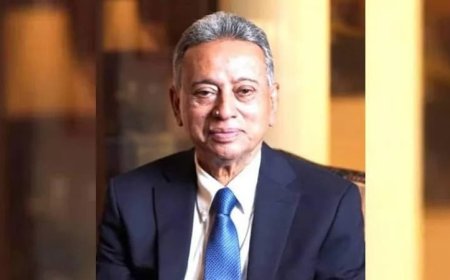
Zahid Hussain, former lead economist at the World Bank’s Dhaka office, said the challenge extends beyond a lack of trust.
“The problem is not limited to a lack of trust; people’s current income and expenditure realities are also a major barrier to long-term savings,” he said, noting that rising prices and living costs leave many households with little room for regular savings.
The problem is particularly pronounced among informal-sector workers and self-employed people, whose irregular incomes can make consistent contributions difficult.
Incentives have yet to boost enrolment
The government has introduced several incentives to encourage participation, including income-tax rebates on pension contributions, tax-free pension income and the option to make payments through mobile financial services without maintaining a bank account.
Loan facilities are also available under certain conditions.
The authorities are now developing Islamic versions of all four pension schemes and considering the inclusion of insurance benefits.
National Pension Authority officials said government offices and institutions are being brought into awareness campaigns, while media promotions, stakeholder seminars and workshops are also being organised. More programmes are planned at divisional and district levels, although no decision has yet been made to extend the campaign to union or upazila levels.
With demand for Shariah-compliant financial products remaining significant in Bangladesh, the authority is working on the institutional framework, investment mechanisms and other details of Islamic pension schemes. The issue could be finalised at the authority’s next board meeting.
ADB loan raises questions
The government’s decision to borrow $100 million from the Asian Development Bank to strengthen the pension scheme has sparked debate over how the funds should be used.
Under the government’s plan, the loan will finance administrative modernisation, IT infrastructure, skills development and efforts to expand the authority’s institutional capacity.
Officials said pension funds are currently invested in bonds issued by Bangladesh Bank. The authority is considering hiring consultants to develop a more effective investment strategy.
Some economists, however, question whether using foreign borrowing mainly for infrastructure and promotional activities will generate sufficient long-term benefits. They argue that greater priority should be given to ensuring pension funds are invested safely and generate sustainable returns.
Zahid Hussain said rebuilding public confidence requires an independent, professional and politically insulated institution to manage pension funds.
“People must be assured that their deposited money will remain safe and that they will receive the promised benefits when they become due,” he said.
He also stressed the need for greater transparency and regular accountability in investment decisions, fund income and expenditure, and the overall management of the pension programme.
What's Your Reaction?