








































Qawmi Madrasahs Resemble Torture Cells, Prompting Calls for Urgent Government Action
Qawmi Madrasahs Resemble Torture Cells, Prompting Calls for Urgent Government Action

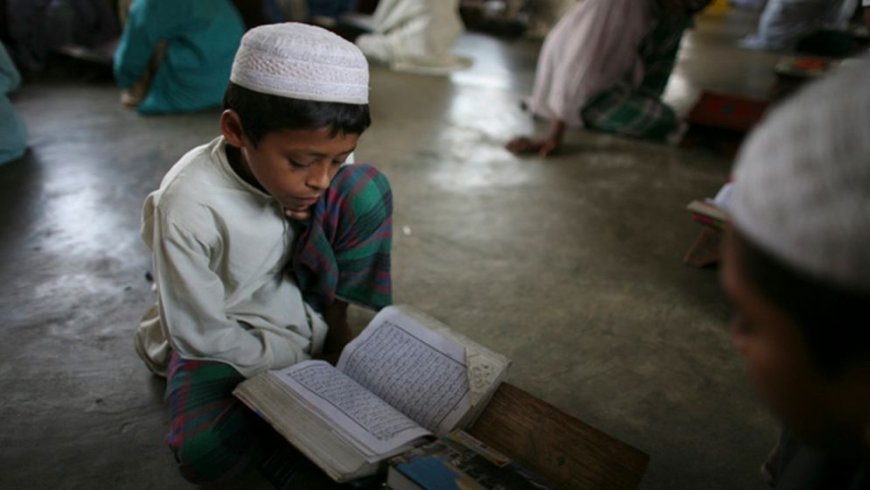
Calls for Stronger Oversight of Qawmi Madrasahs Amid Child Protection Concerns
A viral social media video allegedly showing a teacher brutally beating children at a Qawmi madrasah has reignited concerns about child safety and the lack of oversight in Bangladesh's Qawmi education system.
The article argues that the incident is not an isolated case, claiming that physical punishment, psychological abuse and, in some cases, allegations of sexual violence against children have been reported at Qawmi madrasahs over the years. It contends that many such incidents remain unreported due to fear, social pressure, institutional influence and reluctance among families to pursue legal action.
According to data cited from Befaqul Madarisil Arabia Bangladesh (Befaq), the country's largest Qawmi education board, around 32,730 registered madrasahs operate under its supervision with an estimated seven million students. Combined with institutions under other Qawmi boards, the total number of Qawmi madrasahs is estimated to exceed 40,000.
The article notes that many students come from impoverished families or are orphans, making residential madrasahs an important source of education and shelter. However, it argues that limited supervision, residential settings and social deference to religious teachers can increase children's vulnerability to abuse.
It cites several reported criminal cases from 2025 and 2026 involving allegations of rape, attempted rape and sexual abuse by teachers at different madrasahs, while acknowledging that these are allegations reported in the media and that many cases allegedly end in local settlements or bail, raising concerns about accountability.
The article also points to a 2011 High Court ruling that declared corporal punishment in educational institutions unconstitutional, followed by a government directive banning physical and mental punishment. It argues that enforcement has remained weak, particularly in privately run Qawmi madrasahs.
The author further contends that Bangladesh, as a signatory to the UN Convention on the Rights of the Child (UNCRC), has a legal obligation to protect children from violence regardless of the type of educational institution they attend.
The piece calls for stronger government oversight, improved teacher training, greater cooperation with Qawmi education boards, stricter enforcement of child protection laws, and the creation of a national database to prevent individuals accused of serious abuse from working with children.
Concluding the article, the author argues that violence against children is contrary to both Islamic teachings and Bangladesh's legal framework, citing examples from the life of Prophet Muhammad (PBUH) and prominent Islamic scholars to emphasize compassion and kindness toward children. The article urges the government, religious leaders and society to take coordinated action to ensure that all children are educated in safe and protected environments.
What's Your Reaction?