













































NCP grapples to stabilize its footing ahead of the polls
Resignations and inactivity cited as main reasons


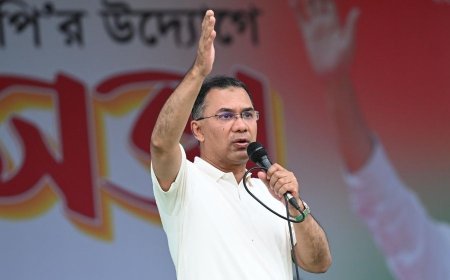
The National Citizen Party (NCP) is heading into its first national election amid deep organisational turmoil, as a wave of resignations following its decision to join the Jamaat-e-Islami–led alliance has weakened key structures and exposed leadership gaps. Emerging from the student-led mass uprising as a new political force, the party now finds itself struggling to mount a cohesive campaign ahead of the February 12 polls.
Although nomination papers have been submitted, the NCP lacks election-ready machinery. Core tasks such as strategy formulation and manifesto drafting remain stalled or incomplete. Over the past two weeks alone, at least 15 senior leaders have resigned, including members of the election steering committee, manifesto committee, and policy and research wing. Several others have become inactive, further eroding organisational capacity.
Grassroots leaders say the timing of these departures has dealt a major blow, with heads and core members of multiple cells—office management, media, publicity, and ICT—either inactive or no longer with the party. Routine operations have become difficult, and activities are continuing only on a limited scale. A senior leader, speaking on condition of anonymity, admitted the party is not fully prepared for the polls, adding that with fewer than 40 days remaining, the focus has shifted from comprehensive planning to short-term tactical execution.
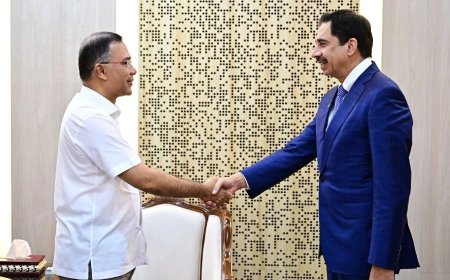
Senior Joint Member Secretary Ariful Islam Adeeb acknowledged the leadership crisis, saying efforts were under way to fill the vacuum by forming a new election steering committee and continuing work on the manifesto, which will be released after seat-sharing is finalised. He said the committee will be led by former adviser Asif Mahmud Shojib Bhuyain, who recently joined the party as its spokesperson.
Shortly after that conversation, the NCP issued a statement expanding Asif Mahmud’s role. In addition to overseeing the election process, he will supervise several party cells, including media, publicity and publication, branding, office management, public relations, member recruitment, and research and policy, while also coordinating the Dhaka North and South units.
Internal disarray became evident during the final phase of alliance negotiations. Tasnim Jara, senior joint member secretary and general secretary of the election steering committee, resigned, as did Khaled Saifullah, head of the research and policy wing and a key figure in manifesto preparation. Party sources said his departure effectively stalled manifesto work, as remaining committee members are now largely preoccupied with their own election campaigns. Sources also claimed that Khaled Saifullah left with key manifesto-related documents, complicating efforts to revive the process. He declined to comment when contacted.
Several operational units have also been hollowed out. The chiefs of the media, ICT and office cells, as well as the coordinator of the farmers’ wing, have resigned. Female leadership has been particularly affected: Senior Joint Convener Samantha Sharmin has largely disengaged after withdrawing from electoral contention, while Senior Joint Member Secretary Nahida Sarwar Niva remains inactive despite not formally resigning. Other leaders who have stepped down or become inactive include regional organisers and several senior figures.
On December 29, two days after the 11-party alliance was announced, NCP Convener Nahid Islam appointed Asif Mahmud as spokesperson and head of the Election Management Committee, replacing Nasiruddin Patwary. A senior leader said the delay in resolving internal disagreements had come at a heavy cost, arguing that an earlier decision could have allowed the party to compete seriously in 20 to 25 constituencies. In a volatile electoral landscape, he said, the past two months were decisive and largely wasted.
Now, party leaders say their efforts are focused on making the best use of the remaining time—speeding up campaign preparations, pragmatically filling leadership gaps, and contesting the election with whatever organisational strength remains.
The NCP was formed in late February directly out of the mass uprising, led by young activists who stood at its forefront. From the outset, it pledged to transform Bangladesh’s political order, dismantle constitutional autocracy, and establish a durable democratic framework. The party emerged from the Jatiya Nagorik Committee and Students Against Discrimination—two platforms born of the student movement that ultimately toppled the Awami League regime.
What's Your Reaction?