



































World Cup 2026: How 13 Muslim-Majority Countries Reached Football’s Biggest Stage
Morocco, which made history by reaching the semifinals of the Qatar World Cup, remains one of the biggest attractions for football fans.

FIFA World Cup 2026: The Historic Rise of 13 Muslim Football Nations
The FIFA World Cup 2026 is set to mark a significant chapter in global football history, with a record 13 Muslim-majority nations qualifying for the tournament. Their presence reflects one of the most diverse and globally representative line-ups ever assembled for football's biggest event.
For the first time, the World Cup will feature 48 teams, with the United States, Canada and Mexico jointly hosting the tournament. The expanded format has transformed the qualification landscape, creating opportunities for emerging football nations while broadening representation from across the world.
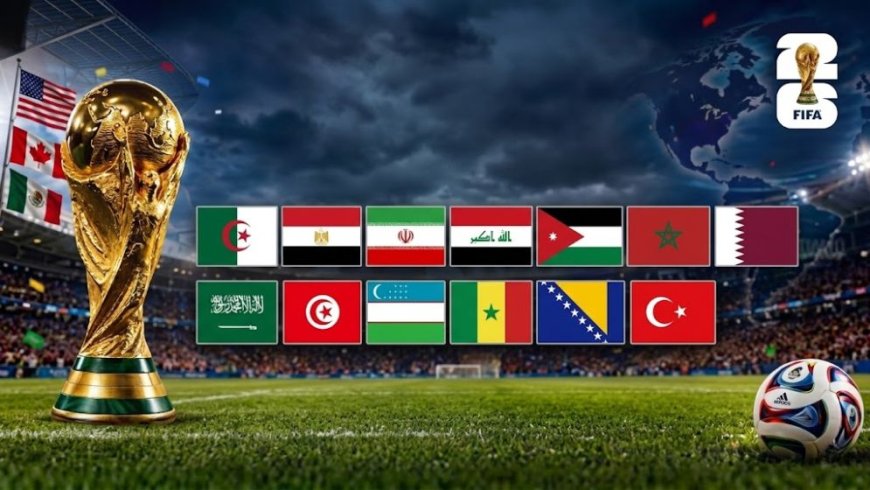
Among the qualified teams are Morocco, Egypt, Algeria, Senegal, Tunisia, Saudi Arabia, Qatar, Jordan, Iraq, Iran, Uzbekistan, Türkiye, and Bosnia and Herzegovina. Together, they represent Asia, Africa, Europe and the Middle East, highlighting the growing global reach of the sport.
For many of these nations, qualification is the result of years of investment in youth development, professional leagues, coaching structures and modern football infrastructure. Countries such as Morocco and Senegal have already demonstrated their ability to challenge football's traditional powers, while rising teams like Uzbekistan and Jordan showcase the increasing competitiveness of emerging football nations.
Historic Returns and Major Milestones
The 2026 World Cup will also feature several remarkable stories of perseverance and achievement.
Iraq's Return After Four Decades
Iraq has secured its place at the World Cup for the first time in 40 years, ending a four-decade absence from football's biggest stage. The achievement has generated immense excitement across the Middle East and symbolizes the country's footballing resurgence.
Türkiye Ends a 24-Year Wait
Türkiye has qualified for the World Cup for the first time since 2002, bringing an end to a 24-year absence. The return of one of Europe's most passionate football nations adds further intrigue to the tournament.
Morocco Remains in the Spotlight
Morocco continues to attract global attention following its historic run to the semifinals of the 2022 FIFA World Cup in Qatar. As the first African and Arab nation to reach the last four of a World Cup, Morocco inspired millions and altered perceptions of what emerging football nations can achieve. Expectations will once again be high as the Atlas Lions seek to build on that success.
A Changing Global Football Landscape
Football analysts view the strong representation of Muslim-majority nations as evidence of a broader shift in the global balance of the game. FIFA's decision to expand the World Cup has created new pathways for nations outside the traditional football elite, particularly in Asia and Africa.
However, qualification alone does not explain this rise. Many of these teams earned their places through consistent performances, improved coaching standards and long-term development strategies. Their success reflects years of careful planning rather than a temporary surge.
Experts believe the expanded tournament will bring greater tactical diversity to the competition. North African technical quality, Middle Eastern tactical discipline, and Central Asian physical strength are expected to enrich the football spectacle, offering fans a wider range of playing styles than ever before.
Beyond Football
The significance of this achievement extends beyond the pitch. The participation of 13 Muslim-majority countries is expected to attract vast audiences from Asia, Africa and the Middle East, strengthening football's status as a truly global sport.
Their presence also offers an opportunity to showcase the cultural diversity, sporting achievements and growing influence of Muslim-majority societies on the world stage. For millions of supporters, the tournament represents not only a football competition but also a moment of pride and representation.
As anticipation builds, the FIFA World Cup 2026 promises to be the largest and most inclusive edition in the tournament's history. More importantly, it reflects football's evolving identity—one in which emerging nations are no longer peripheral participants but increasingly central figures in the world's most watched sporting event.
The tournament is scheduled to begin in June 2026 across North America, with the final set to take place in July 2026.
What's Your Reaction?