













































Iran Launches Attacks on Bahrain and Kuwait After New US Assaults
Iran Launches Attacks on Bahrain and Kuwait After New US Assaults

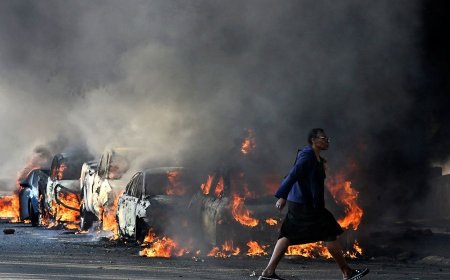
Iran launched a barrage of missiles at US allies Bahrain and Kuwait on Saturday following fresh American strikes on Iranian targets, prompting strong condemnation from the Gulf states and placing additional strain on an already fragile ceasefire.
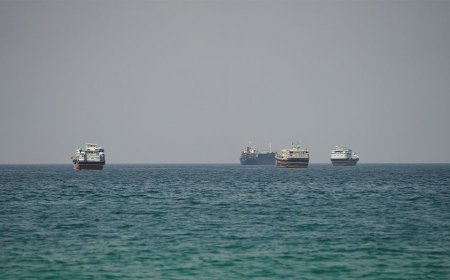
Weeks of indirect negotiations, punctuated by mutual threats and sporadic military exchanges, have failed to produce an agreement to end the Middle East conflict or reopen the Strait of Hormuz, a vital route for Gulf oil and gas exports.
The US Central Command (CENTCOM) said late Friday that its forces intercepted four Iranian attack drones heading toward the Strait of Hormuz before carrying out strikes on Iranian coastal surveillance radar installations.
In response, Iran's Revolutionary Guards announced on Saturday that they had targeted "enemy bases in the region" with missiles.
According to CENTCOM, Iran fired seven ballistic missiles toward Bahrain and Kuwait. Six were intercepted, while one failed to reach its target.
Bahrain, home to the headquarters of the US Fifth Fleet, described the attack as "blatant aggression," while Kuwait warned that it represented "a dangerous escalation" of regional tensions.
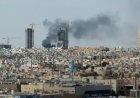
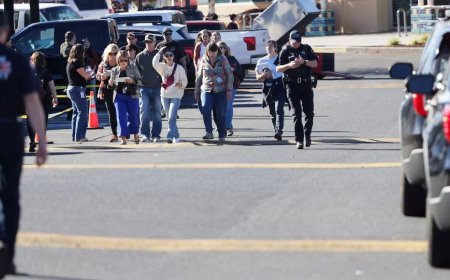
An AFP correspondent in Bahrain's capital, Manama, reported hearing three explosions as air raid sirens sounded across the city.
In Kuwait, explosions were also heard near the international airport, where a strike blamed on Iran earlier in the week reportedly killed one person.
"We woke up to a huge explosion," said Reem, a Kuwaiti mother of two. "My children were terrified, and I couldn't calm them down."
Ceasefire Under Pressure
The conflict, triggered nearly 100 days ago by US and Israeli strikes, has been governed by a ceasefire since April 8, though occasional flare-ups have continued.
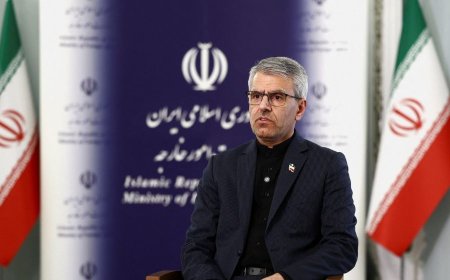
Iran's Foreign Ministry condemned the latest US attacks as "flagrant violations" and accused Washington of pursuing a hostile and provocative policy.
Attempts to transform the ceasefire into a lasting peace agreement have repeatedly stalled, while the conflict continues to unsettle global markets and increase domestic political pressure on US President Donald Trump ahead of the midterm elections.
"The negotiations are at a deadlock and Trump must break this deadlock," Mohsen Rezaei, a military adviser to Iran's supreme leader, told CNN, urging the release of approximately $24 billion in frozen Iranian assets.
US officials, however, have indicated that those funds could instead be used to compensate Gulf allies for damage caused by Iranian attacks.
A source familiar with Treasury Secretary Scott Bessent's position said the US Treasury would explore all available mechanisms to make Iranian assets accessible to Gulf partners for rebuilding and repairs resulting from future Iranian actions.
Regional Conflict Expands
Lebanon, which became involved in the wider conflict after the Iran-backed Hezbollah movement launched attacks on Israel on March 2, urged Tehran on Friday to cease interference in Lebanese affairs.
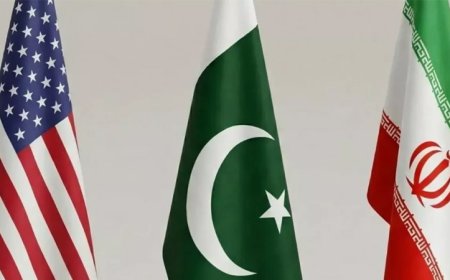
Lebanese Army chief Rodolphe Haykal departed for Pakistan on Saturday for talks with Army Chief Asim Munir, who has emerged as a key figure in mediation efforts between Iran and the United States.
Iran has maintained that any settlement with Washington must address both the Gulf conflict and the situation in Lebanon.
Meanwhile, Lebanon said an Israeli strike in the south of the country killed three soldiers on Saturday. Israel said it was reviewing the incident and insisted its operations were directed against Hezbollah rather than Lebanese state forces.
Lebanon's Health Ministry reported that two women were killed and 22 others injured in an Israeli strike on Saksakiyeh in southern Lebanon.
The Israeli military also announced the deaths of two of its soldiers.
Despite a ceasefire announced in April, fighting in Lebanon has persisted. A new conditional truce proposal unveiled this week was rejected by Hezbollah.
World Cup Visa Dispute Adds to Tensions
The latest escalation coincided with a diplomatic dispute over the United States' refusal to issue visas to several members of Iran's World Cup football delegation.
Iranian state television reported that players and technical staff had received visas, but 15 administrative and managerial officials were denied entry.
A US administration official defended the decision, saying authorities would not allow Iran to exploit the visa system to bring potential security threats into the country.
Iran's embassy in Türkiye called on FIFA to hold the United States accountable for what it described as discriminatory treatment and violations of international football regulations.
Iran's Football Federation condemned the move as "political interference in sport in its worst form." Federation president Mehdi Taj was reportedly among those denied visas.
State media said the Iranian team was travelling to Mexico, where it will be based during the World Cup, which is being jointly hosted by Mexico, Canada and the United States.
Iran's ambassador to Mexico also said the team had been informed that visa conditions would require players and staff to enter and leave the United States on the same day as their matches.
What's Your Reaction?