




























































Rescuers Struggle Through Floods and Debris as Himalayan Disaster Death Toll Nears 800
Rescuers Struggle Through Floods and Debris as Himalayan Disaster Death Toll Nears 800

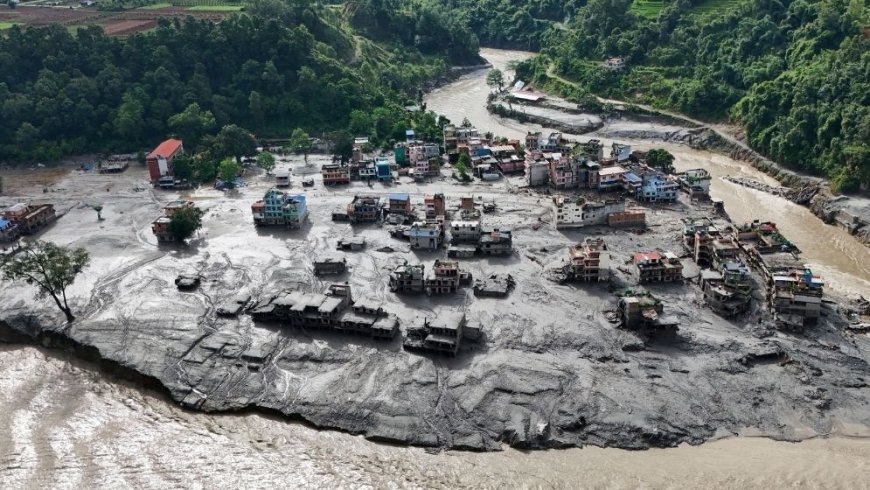
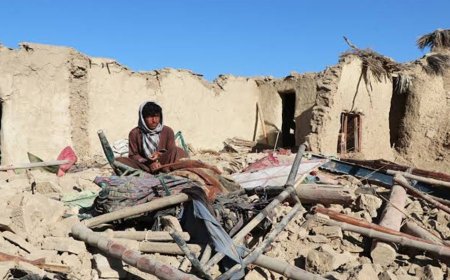
Rescuers in Nepal and China raced against time on Sunday to locate thousands of people still missing after a glacier collapse triggered a devastating mudslide across the Himalayas, with difficult weather and rising river levels hampering operations.
The death toll climbed to nearly 800, while more than 3,000 people remained missing on both sides of the Nepal-China border. The disaster struck on Wednesday when torrents of ice, rocks, mud and debris swept through mountain valleys and river systems, leaving widespread destruction in their wake.
The Red Cross estimated that more than 90,000 people could have been affected. Chinese authorities have attributed the disaster to the long-term impacts of climate change.
During a telephone conversation with his Nepali counterpart on Saturday, Chinese Foreign Minister Wang Yi described the incident as the "most severe cross-border disaster" in recent years. He said rescue operations had reached an unprecedented level of difficulty and complexity, according to state broadcaster CCTV.
Nepal's disaster management authority reported 781 deaths and 2,502 missing people. In China, authorities said 16 people had died in Gyirong County, while 546 remained unaccounted for.
Beijing also said 261 foreign nationals from 23 countries were missing in Tibet near a major border crossing with Nepal.
The rugged Himalayan terrain and worsening weather have made rescue operations increasingly difficult.
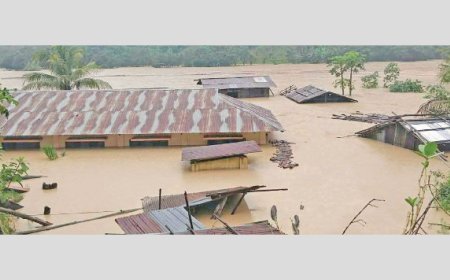
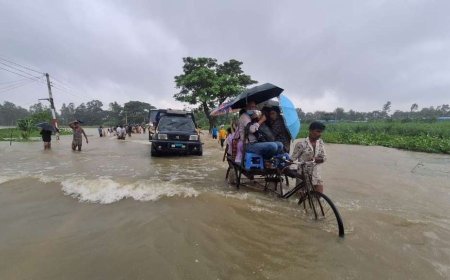
Nepali police said residents and rescue personnel moved to higher ground after the Trishuli River rose in recent hours following fresh rainfall, raising concerns about further flooding. Rescue operations have been repeatedly suspended since Friday because of poor weather and fears that a disaster-created lake near the Nepal-China border could overflow and send another surge into Nepal's Lhende Khola and Trishuli rivers.
CCTV reported that the lake had largely drained by Saturday evening. However, drones later detected a landslide about 2.8 kilometres downstream, creating a new natural dam and another accumulation of water.
In Nepal, rescue teams have increasingly concentrated on five hydropower facilities inundated by the floods, including the Upper Trishuli complex. Officials said on Friday that around 350 people could be trapped inside a tunnel there.
Around 10,000 Nepali troops have been deployed, supported by specialist rescue teams from China and India.
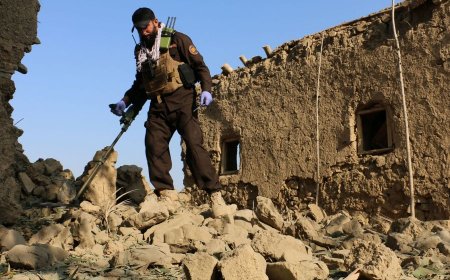
The Nepali military transported heavy equipment to the remote area by air on Sunday. Rescuers also reached the entrance of one tunnel and began removing debris blocking access. Teams equipped with oxygen supplies and cameras are expected to enter once a safe passage has been cleared.
"This is extremely difficult because there is a huge amount of debris, and we cannot use explosives to clear the way," said Dharam Raj Uprety, head of Nepal's national disaster management authority.
Nepal's Foreign Ministry spokesperson Lok Bahadur Chhetri said the country needed international support in specialised areas, including tunnel rescues, DNA testing, refrigerated facilities for bodies and forensic identification of decomposed remains.
Mass burials as bodies decompose
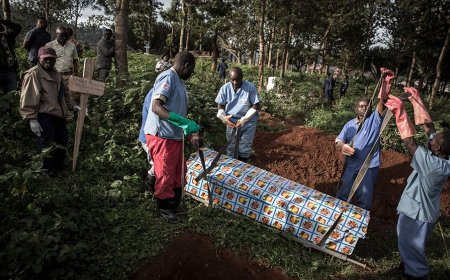
As desperate relatives continued moving between hospitals, morgues and relief centres in search of missing family members, Nepalese authorities began mass burials of hundreds of unidentified victims whose bodies had begun to decompose.
In Chitwan district, roughly 200 km from the disaster zone, officials prepared hundreds of graves in a forested area at Devghat for bodies carried downstream from flood-hit Rasuwa.
"We had no other choice," said Chitwan chief district officer Ganesh Aryal, citing the growing public-health risk from rapidly decomposing bodies.
Authorities buried 96 unidentified victims on Saturday and planned to inter more than 100 additional bodies on Sunday, as rescue teams continued recovering victims from rivers and piles of debris.
DNA samples were collected and burial locations were documented carefully in case families are later able to identify their missing relatives.
More than half of the recovered bodies were reportedly beyond recognition, according to police officer Anil Thapa.
"Many have no recognisable faces. In some cases, only hands or legs remain, while in others only fragments of bodies have been recovered," he said.
Disaster linked to long-term climate change
CCTV reported that the flooding was triggered by "glacier instability under the long-term effects of global warming", describing it as an emerging feature of cryosphere-related disasters on the Tibetan Plateau.
Chinese scientists found that the mudslide originating on the Nepal side reached the Gyirong border crossing within six to seven minutes, according to CCTV.
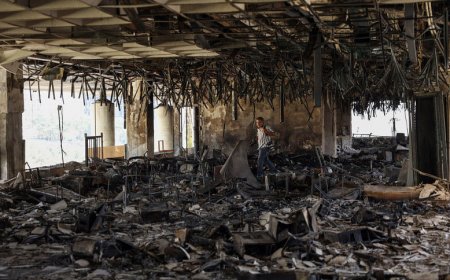
Dramatic surveillance footage showed enormous torrents of water, ice and debris engulfing buildings as people scrambled to escape.
China has deployed more than 2,100 rescue workers and allocated at least 220 million yuan ($32.7 million) for relief operations, state media reported. Equipment and emergency supplies have been airlifted to frontline teams, while Chinese soldiers have deployed life-detection equipment to search for survivors and missing people.
What's Your Reaction?