










































PM: Efforts to Build a Clean Bangladesh Must Begin Now
PM: Efforts to Build a Clean Bangladesh Must Begin Now

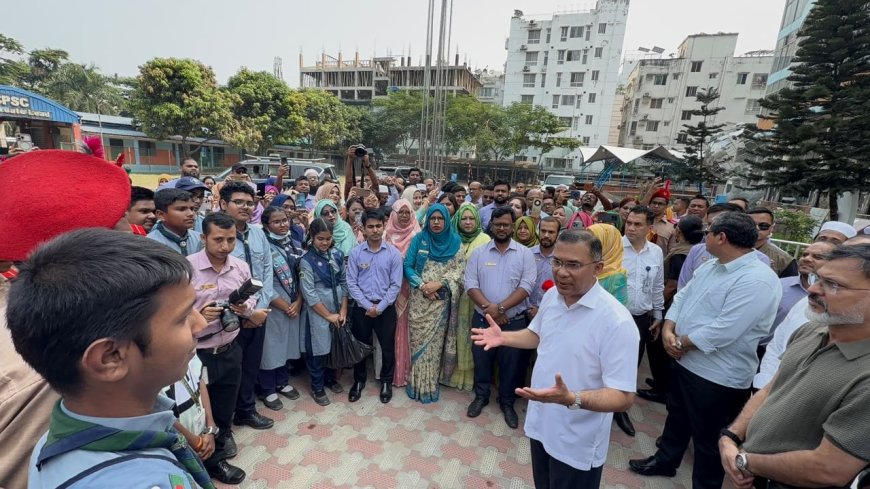
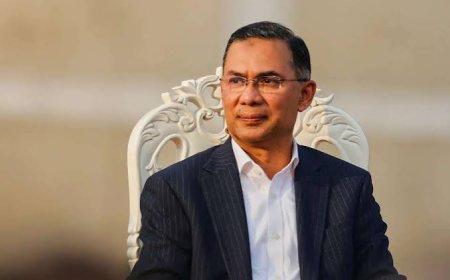
Prime Minister Tarique Rahman today urged the younger generation to play an active role in building a clean, healthy and environmentally sustainable Bangladesh, stressing that initiatives to create a better environment for future generations must begin immediately.
“The work of building a beautiful, clean and healthy Bangladesh for future generations must begin now, as you will lead the country in the future,” he told students.
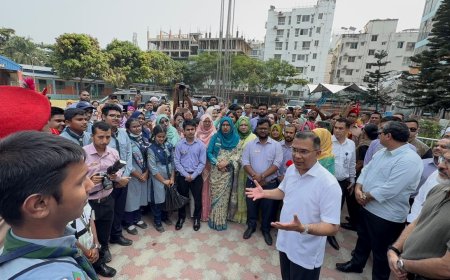
The Prime Minister made the remarks during a visit to Mirpur Bangla College in the capital, where he addressed members of the Bangladesh National Cadet Corps (BNCC) and Scouts, according to his Deputy Press Secretary Hasan Shiplu.
Tarique Rahman noted that maintaining cleanliness was particularly challenging in a densely populated country like Bangladesh, especially in Dhaka. He said the challenge could be overcome through collective action and greater public awareness.
He encouraged young people to go beyond participating in organised cleanliness campaigns by taking personal initiatives and motivating their friends, relatives and neighbours to keep their surroundings clean.
Emphasising the connection between environmental hygiene and public health, the Prime Minister said unhygienic conditions increased the risk of diseases, while clean homes and surroundings helped people remain healthy.
He stressed that disease prevention should receive greater priority, pointing out that treating large numbers of patients would be difficult given the limited availability of doctors and medicines.
“Keeping the environment clean is essential to keeping people healthy,” he said.
Highlighting the importance of cleanliness in combating dengue, Tarique Rahman said the mosquito-borne disease infected many people every year and claimed numerous lives.
He identified eliminating mosquito breeding grounds and maintaining clean homes and surrounding areas as some of the most effective ways to prevent dengue.
The Prime Minister said the government was placing particular emphasis on cleanliness campaigns every Saturday until November as part of its dengue prevention programme.
He urged citizens to maintain cleanliness around their homes, educational institutions, workplaces and other establishments, stressing the importance of preventing water from accumulating in open spaces and other locations.
He also called on people to stop dumping waste indiscriminately on roads, in canals, rivers and other water bodies, warning that such practices polluted the environment and created favourable conditions for mosquito breeding and disease transmission.
Addressing BNCC and Scouts members, Tarique Rahman urged them to raise public awareness and encourage responsible waste disposal.
“If you see someone throwing rubbish on the road, try to explain the matter to them and, if necessary, help them dispose of it properly. Remember, you are working not just for yourselves but for the benefit of everyone,” he said.
Expressing concern over Dhaka's air pollution, the Prime Minister said the capital frequently ranked among the world's most polluted cities, describing the situation as embarrassing. He underscored the need for stronger environmental protection measures and increased tree planting to improve air quality.
Recalling a previous tree-planting initiative, Tarique Rahman said approximately 80,000 neem saplings had been planted across Dhaka in 2004–05 through an organisation established in his father's name.
“Now you have to surpass me. You will plant even more trees. InshaAllah, you can do it,” he told the students.
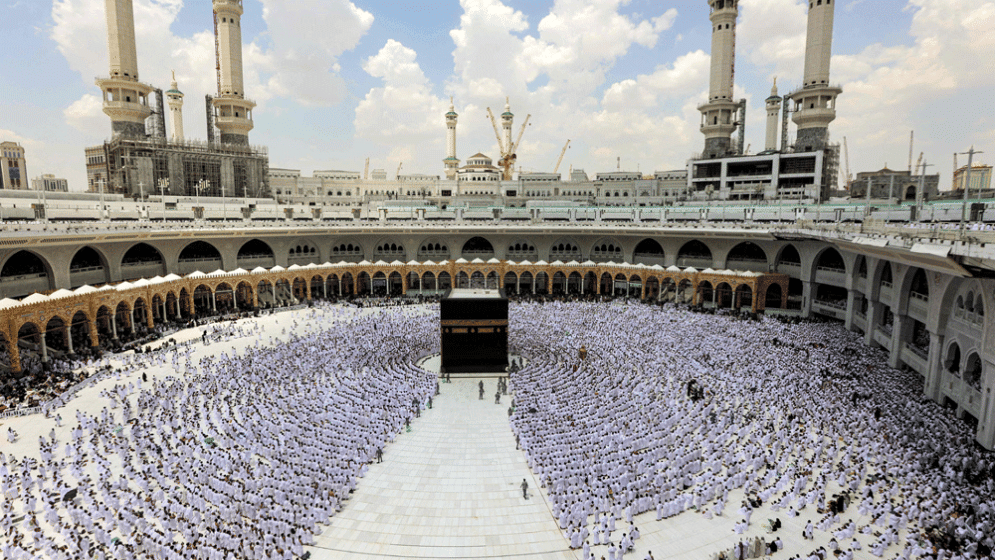
The Prime Minister also recounted the history of neem trees on Saudi Arabia's Arafat plain, explaining that the area had once been largely devoid of trees.
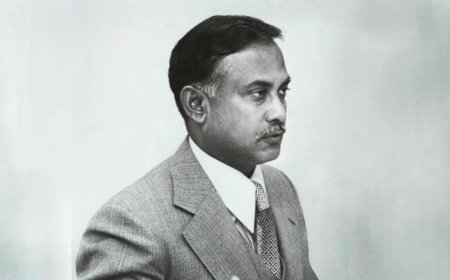
According to him, Shaheed President Ziaur Rahman sent neem saplings to the plain following recommendations from Bangladeshi scientists, who selected the species because it was suitable for Saudi Arabia's climate. The trees subsequently spread across the area and became known as “Zia Trees”, he said.
Citing Japan as an example of effective cleanliness practices, Tarique Rahman observed that its streets remained largely free of litter. He attributed this not only to cleaning arrangements but also to people's habit of disposing of waste responsibly.
He called on citizens to protect rivers, canals and other water bodies from pollution and refrain from throwing plastic bottles, polythene bags, food wrappers and other rubbish into the environment.
Expressing confidence in the younger generation, the Prime Minister said collective efforts and responsible behaviour could help transform Bangladesh into a cleaner and more beautiful country.
“The future belongs to you. You will lead this country,” he said.
State Minister for Local Government, Rural Development and Cooperatives Mir Shahe Alam and Dhaka North City Corporation Administrator Shafiqul Islam Khan Milton were among those present at the event.
What's Your Reaction?