











































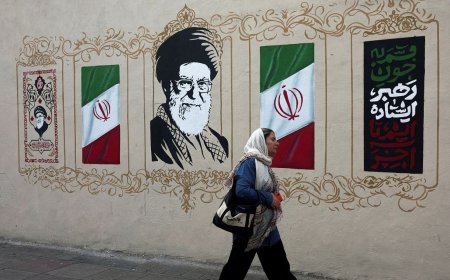


Iran retaliates after first US strikes in a month
Iran retaliates after first US strikes in a month

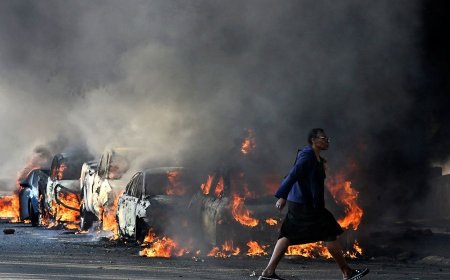
Iran said Monday it had attacked US military targets in Jordan in retaliation for Washington’s first strikes on Iranian territory in a month, marking a renewed escalation in the six-month conflict.
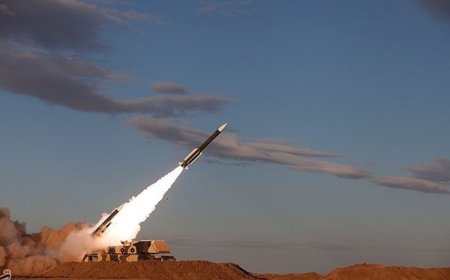
Iran’s Islamic Revolutionary Guard Corps (IRGC) said it had launched ballistic missiles at two US military bases in Jordan, a key US ally, claiming the attacks caused “heavy damage.”
Jordan’s military said it had intercepted eight missiles but did not specify where they had been launched from.
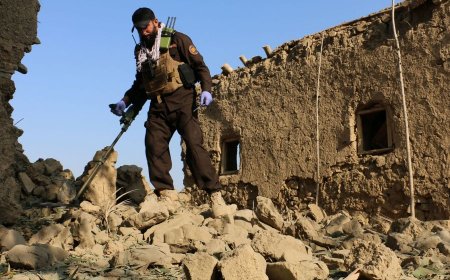
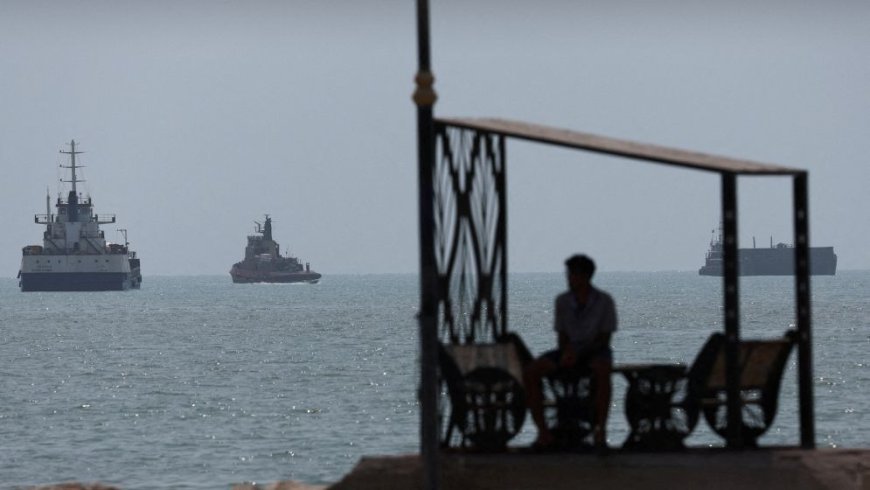
The attacks followed US strikes on Sunday against Iranian rocket launchers on a small island in the Strait of Hormuz. Washington said the operation was intended to prevent Iran from deploying additional sea mines in the strategic waterway, days after US forces said they had completed clearing mines from international shipping routes.
“US forces took limited, precise action against IRGC minelaying forces posing an imminent threat in the Strait of Hormuz,” the US Central Command said on X.
The IRGC said the US strikes caused casualties and described its subsequent missile attack on Jordan as retaliation for what it called “US-Zionist aerial aggression.”
The latest exchange of fire comes as the war reaches its six-month mark, despite a recent decline in the intensity of hostilities.
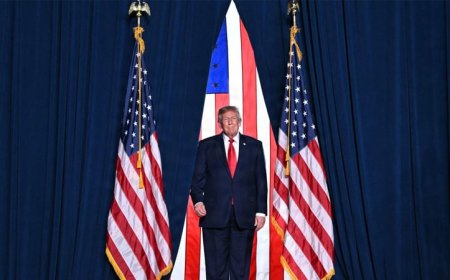
In recent weeks, US President Donald Trump’s administration has focused increasingly on applying economic pressure on Tehran rather than launching military operations.
Iran has effectively blocked the Strait of Hormuz, a vital global shipping route that previously carried about one-fifth of the world’s oil supplies. The confrontation began after the United States and Israel launched strikes against Iran on February 28.
US Central Command spokesman Navy Captain Tim Hawkins said American forces had completed clearing sea mines from international shipping routes in the strait the previous week.
He said US forces were closely monitoring the area and remained ready to safeguard the free movement of commercial shipping through the strategic waterway.
Unpopular war
Diplomatic efforts led by mediators, including Pakistan and Qatar, have sought for months to end the conflict.
Although a ceasefire was reached in April and a memorandum of understanding aimed at a final peace agreement was signed in June, a comprehensive settlement has yet to materialise. Washington has since intensified what it calls “economic warfare” against Tehran.
A US naval counterblockade of Iranian ports has put further pressure on fuel supplies amid a shortfall in domestic production, while Washington continues to tighten sanctions and other economic measures.
The April ceasefire ended the most intense phase of the fighting, but sporadic clashes, particularly around the Strait of Hormuz, have continued to undermine prospects for a lasting peace deal.
The last US strike on Iran before Sunday occurred on July 29, which the US military said was carried out in response to an attempted surprise attack on American forces in the region. Earlier in July, US Central Command conducted strikes against Iran for 13 consecutive nights.
Throughout the conflict, Iran has retaliated by targeting US facilities and American allies across the Gulf, including locations in Kuwait, Oman, Saudi Arabia and the United Arab Emirates.
Iran’s closure of the Strait of Hormuz has disrupted global markets, contributing to higher prices and shortages of energy and fertiliser. Oil prices rose following the latest US strikes, with North Sea Brent crude climbing above $90 a barrel and West Texas Intermediate rising above $85.
The war remains deeply unpopular among the US public, with November’s midterm elections potentially threatening Republican control of Congress.
US Senator Jack Reed, the top Democrat on the Senate Armed Services Committee, criticised Trump’s handling of the conflict in a statement on Friday.
“Six months later, not a single objective has been achieved,” Reed said, arguing that the war had significantly weakened the US position in the Middle East and globally.
What's Your Reaction?