

































































Iran Peace Hopes Improve Bangladesh’s Fuel Supply Outlook
Iran Peace Hopes Improve Bangladesh’s Fuel Supply Outlook

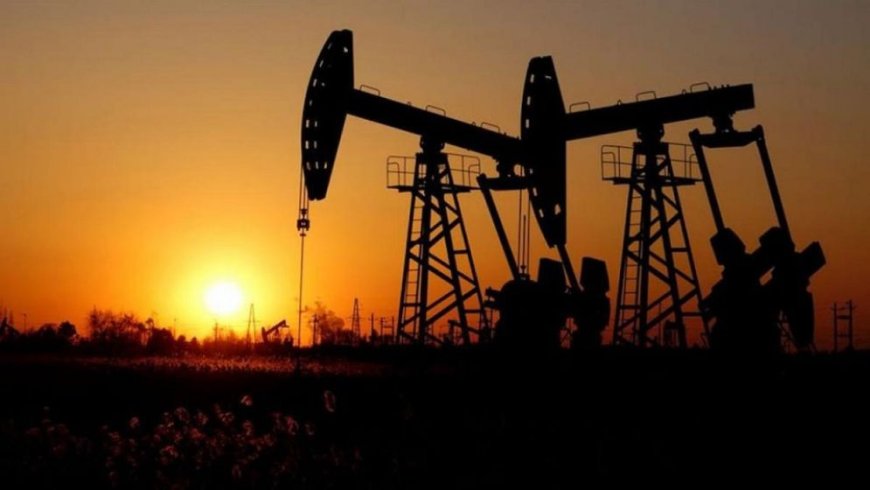
Bangladesh is hoping that Democratic control of the US Congress will increase pressure on President Donald Trump to end the conflict with Iran, potentially easing global energy prices and reducing the country’s rising fuel import costs. However, experts warn that any meaningful relief will depend more on developments in the Middle East than on political shifts in Washington.
Democrats have secured control of both the US House of Representatives and the Senate in the midterm elections, potentially paving the way for greater scrutiny of the Trump administration’s handling of the war, rising living costs and trade policies.
An end to the conflict could help restore energy supplies through critical international shipping routes, bring down oil and gas prices and ease mounting economic pressure on Bangladesh.
Energy expert Dr Ijaz Hossain told the Daily Sun that the election outcome could push Trump to explore an exit strategy as pressure from Congress intensifies.
He said Democratic lawmakers would likely urge the president to reconsider his approach and work towards ending the conflict, while Trump might seek a withdrawal that safeguards his political position.
Ijaz Hossain cautioned that international energy prices would not necessarily return to pre-war levels immediately. He said lower fuel prices would offer Bangladesh the most immediate economic benefit, while potential changes in US trade policy could provide additional advantages.
Congressional pressure could grow, but Trump retains authority
Democratic control of both chambers gives the party greater influence over legislation, federal spending and congressional oversight. Lawmakers can investigate administration policies and scrutinise the financial and strategic consequences of the Iran conflict.
However, the election outcome does not remove Trump's constitutional authority over foreign policy and military operations. Congress can still influence the administration through legislation, budgetary decisions and public hearings.
The new congressional majority could nevertheless make it politically more difficult for the administration to maintain an expensive and prolonged military engagement without facing growing domestic criticism.
For Bangladesh, the consequences are largely indirect. Political developments in Washington could influence diplomatic efforts, but any sustained reduction in energy prices will primarily depend on de-escalation in the Middle East.
Global energy markets remain volatile
International energy markets continue to react sharply to developments involving Iran, particularly concerns over potential disruptions to shipments through the Strait of Hormuz, a crucial route for globally traded crude oil and liquefied natural gas (LNG).
Any prolonged disruption could tighten global supplies and push prices higher, placing additional pressure on energy-importing economies across Asia.
International media reports said Brent crude fell 1.44% to $102.11 per barrel on Wednesday, while US West Texas Intermediate (WTI) declined 0.93% to $95.20.
However, the short-term decline does not necessarily signal a sustained downward trend. Disruptions to Gulf supplies, uncertainty over shipping routes and rising freight and insurance costs continue to pose risks.
A lasting reduction in energy prices would require diplomatic progress, reduced military tensions and the restoration of normal shipping operations.
Fuel imports put growing pressure on Bangladesh
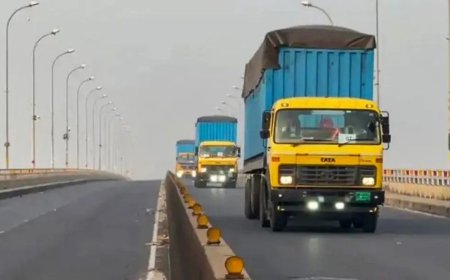
Bangladesh remains particularly vulnerable to international energy price fluctuations because of its heavy dependence on imported crude oil, refined petroleum products and LNG.
Bangladesh Bank's commodity-wise import figures show that the country spent $10.63 billion on crude oil and petroleum products in FY2025-26, more than double the $5.14 billion recorded in the previous fiscal year. The expenditure represented approximately 14% of total merchandise imports.
Letters of credit opened for petroleum and petroleum products reached around $3.7 billion during July-September of FY2026-27, compared with $2.28 billion in the corresponding period a year earlier.
Bangladesh Petroleum Corporation (BPC) Chairman Dr Md Rafiqul Islam recently disclosed that the corporation incurred additional expenses of approximately Tk23,000 crore between March and August 2026 due to higher international fuel prices and freight charges.
The cost of supplying gas has also increased as Bangladesh becomes more dependent on imported LNG. Prices for some spot-market cargoes have approached $30 per million British thermal units (MMBtu), compared with around $10-$12 before the conflict.
Petrobangla figures show that the government provided Tk10,300 crore in LNG subsidies during the first three months of FY2026-27. The average import cost stood at Tk46.40 per cubic metre, against a domestic selling price of Tk23.90.
Lower energy prices could provide economic relief
A sustained decline in global oil prices would reduce the foreign currency Bangladesh needs to purchase crude oil and refined petroleum products, easing financial pressure on BPC and reducing the government's burden of subsidising domestic fuel prices.
Cheaper LNG could similarly lower the cost of spot-market purchases and improve Petrobangla's financial position.
The benefits could extend to transport, agriculture and manufacturing, where diesel and natural gas are major operating inputs. Lower energy costs could reduce production and transportation expenses, ease inflationary pressure and help contain foreign currency demand.
The World Bank has approved an additional $350 million to help Bangladesh manage volatility in the fuel market, support LNG imports through Petrobangla and strengthen the country's energy security.
The international lender has also highlighted the need to secure longer-term energy supplies and reduce dependence on expensive spot-market purchases.
However, the extent of any economic benefit will depend on import volumes, exchange-rate fluctuations, existing supply agreements and how quickly international price reductions translate into lower domestic costs.
Energy security remains a long-term concern
Even if international prices decline, Bangladesh will remain vulnerable to external supply disruptions that can affect cargo availability, shipping schedules, freight rates and insurance premiums.
Diversifying energy import sources, expanding storage capacity, strengthening domestic gas exploration and investing in alternative energy sources will therefore remain critical to improving long-term energy security.
Ijaz Hossain said an end to the conflict could bring down international energy prices and provide much-needed relief to Bangladesh. However, he stressed that the US election results alone could neither guarantee peace nor ensure stability in global energy markets.
Even a moderate but sustained decline in international oil and gas prices could make a significant difference to Bangladesh's import expenditure, public finances and overall energy security.
What's Your Reaction?