



























Trump orders first-ever US bombing on Venezuelan soil: Is a war now imminent?
Trump orders first-ever US bombing on Venezuelan soil: Is a war now imminent?

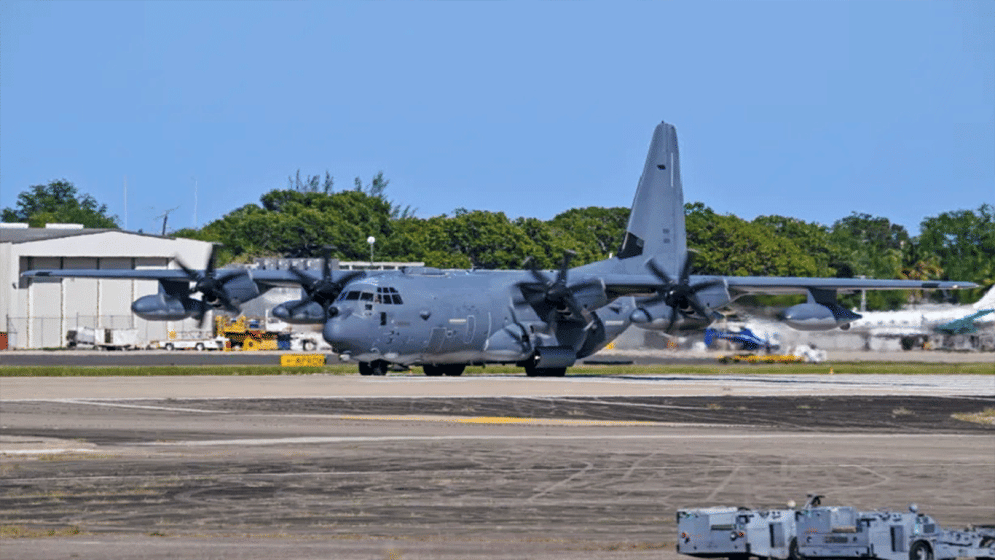
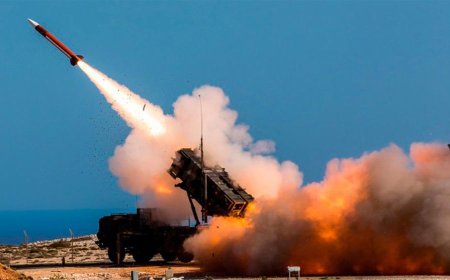
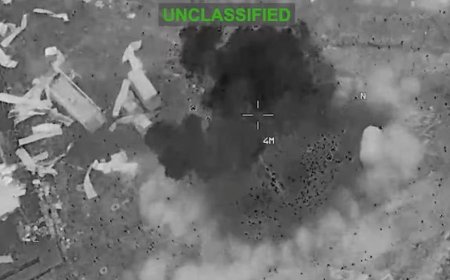
US President Donald Trump said on Monday that American forces had carried out a land-based strike inside Venezuela, marking a significant escalation in Washington’s military actions against the South American country.
According to Trump, the attack targeted a dock allegedly used to load boats carrying narcotics. Venezuelan authorities have not yet confirmed that the strike took place.
Tensions between Washington and Caracas have intensified since September, when the Trump administration launched a series of attacks on Venezuelan vessels in the Caribbean and eastern Pacific. The US claims the boats were involved in drug trafficking, though it has offered no public evidence to support the allegations.
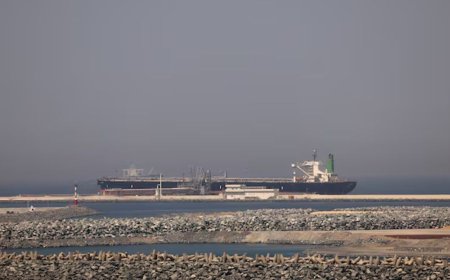
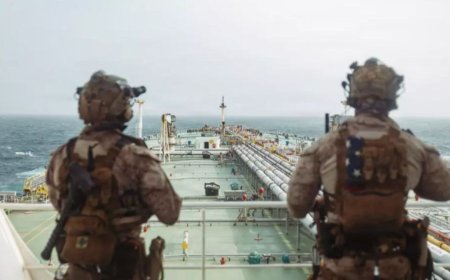
Despite conducting aerial strikes on more than two dozen vessels—operations that have reportedly killed at least 100 people—the US has not substantiated its claims. In recent weeks, American forces have also seized Venezuelan oil tankers accused of transporting sanctioned crude and imposed a naval blockade near Venezuela’s coast.
Venezuela has long accused the US of using drug trafficking claims as a pretext for regime change, raising concerns about the legality of the operations and the risk of a wider conflict. Legal experts argue that targeting vessels in international waters may violate both US and international law and could amount to extrajudicial killings.
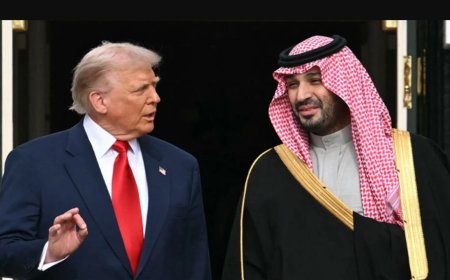
Speaking at a news conference at his Mar-a-Lago resort alongside Israeli Prime Minister Benjamin Netanyahu, Trump announced the strike on a Venezuelan dock.
“There was a major explosion in the dock area where they load the boats up with drugs,” he said, adding that the facility was “no longer around.”
Trump did not disclose where the strike occurred or who carried it out, though US media later cited sources saying the CIA was responsible.
Shortly after Trump’s remarks, the US military announced on X that it had carried out another strike on a vessel in the eastern Pacific, killing two people. It did not specify the location. Caracas has not officially responded.
Why is Trump escalating against Venezuela?
US–Venezuela relations have been strained for decades, shaped by a history of American intervention in Latin America. Tensions worsened in the late 1990s under President Hugo Chávez following the nationalisation of oil assets, and further deteriorated after Nicolás Maduro took office in 2013.
The latest escalation stems from a US military campaign against alleged Venezuelan drug trafficking. While the Trump administration has framed the issue as a national emergency, multiple reports indicate Venezuela is not a major source of illicit drugs entering the US.
Since September, Washington has carried out more than two dozen strikes at sea, accompanied by its largest military buildup in the region in decades, including an aircraft carrier, F-35 jets and around 15,000 troops. Trump had previously warned that attacks could extend “on land”.
Venezuela has rejected the accusations, calling the US actions illegal and a violation of its sovereignty. UN human rights experts have also condemned the partial naval blockade as unlawful armed aggression.
Could this lead to war?
Analyst Elias Ferrer said that if the strike occurred without Venezuela’s consent, it would likely violate international law and could trigger further escalation. However, he noted it was also possible the attack had been pre-approved following recent contacts between Trump and Maduro, which could ultimately lead to de-escalation.
Alan McPherson, a professor at Temple University, said an unapproved strike would represent a serious escalation.
“This has all the markings of a war of choice against a sovereign nation,” he said, arguing the administration’s primary objective is to remove Maduro from power.
Is oil the real issue?
Venezuela holds the world’s largest proven oil reserves and was once a major supplier to the US. Exports declined sharply after Chávez nationalised the oil industry and fell further under sanctions imposed by the Trump administration.
Today, Chevron is the only US company operating in Venezuela under a special licence. Recent comments by Trump aide Stephen Miller—who described Venezuela’s nationalised oil industry as “theft”—have fuelled speculation that control over oil, rather than drugs, is driving US policy.
Can Congress stop a war?
Although the US Constitution gives Congress the power to declare war, presidents have long used executive authority to carry out military actions without formal approval. Efforts to block Trump from launching military action against Venezuela have failed, including a recent resolution narrowly defeated in Congress.
McPherson said Congress could deny authorisation or funding, but added that the current Republican-controlled legislature is unlikely to take such steps—and the executive branch could ignore them regardless.
What's Your Reaction?