














































Corruption allegations intensify, but Benazir ally Mozammel remains beyond reach
Corruption allegations intensify, but Benazir ally Mozammel remains beyond reach

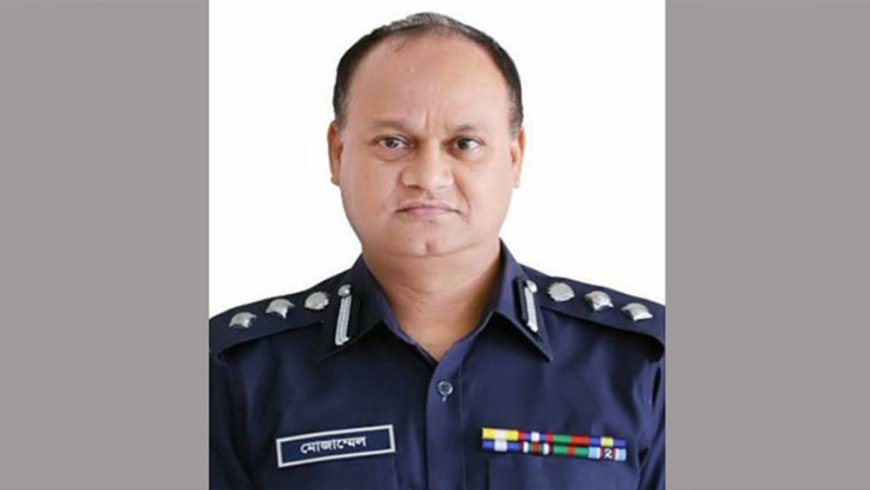
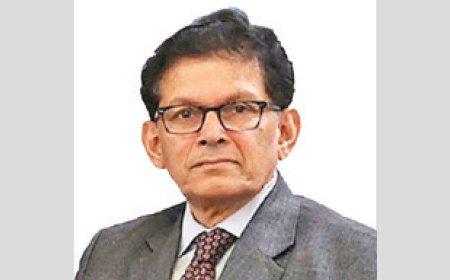
While former Inspector General of Police (IGP) Benazir Ahmed has reportedly been arrested in Dubai over corruption allegations, one of his closest associates in Bangladesh, former police officer Gazi Md Mozammel Haque—widely known in police circles as the “second Benazir”—has so far remained beyond the reach of law enforcement despite facing numerous accusations.
Mozammel has been accused of land grabbing, abuse of power, torture, illicit wealth accumulation, and large-scale corruption. Investigators allege that he used his close relationship with Benazir Ahmed during the latter’s tenure as chief of police and the Rapid Action Battalion (RAB) to build an extensive business and property empire over more than a decade.
Following the political transition on August 5, 2024, authorities launched investigations into a number of influential politicians, former ministers, lawmakers, and senior bureaucrats accused of corruption. Yet, despite multiple inquiries and court directives, Mozammel has not been arrested, prompting questions about whether influential networks continue to shield him from prosecution.
The allegations against the former police officer date back several years. Media investigations and complaints have repeatedly accused him of forcibly acquiring land, exploiting official influence, encroaching on rivers for commercial developments, and amassing wealth far beyond his known sources of income. The Anti-Corruption Commission (ACC) is currently investigating both Mozammel and his wife over allegations of acquiring assets inconsistent with their declared earnings. Courts have already ordered the seizure of land linked to the family and frozen 28 bank accounts.
Court documents, ACC findings, media reports, and information from local sources indicate that Mozammel is allegedly connected to a vast portfolio of properties. These reportedly include a residential development covering nearly 3,000 bighas in Rupganj, more than 100 bighas of garden land, 175 bighas in Bandarban, a resort project in Cumilla allegedly built through river encroachment, extensive holdings in Sunamganj, and industrial facilities in Demra.
Critics argue that while authorities have moved to freeze accounts and seize assets, the absence of an arrest has raised doubts about the effectiveness and impartiality of the ongoing investigation.
In addition to financial misconduct allegations, Mozammel also faces accusations of serious human rights violations. Several residents of Rupganj have alleged that they were threatened, harassed, or subjected to legal intimidation after refusing to sell their land.
One of the most widely discussed allegations involves claims that an elderly landowner was unlawfully detained and pressured into transferring 62 bighas of land. Victims and local residents have questioned why someone facing such extensive accusations remains at large while ordinary citizens are often subjected to swift legal action for far less serious offenses.
Another controversy centers on the “Ananda Police Housing” project in Rupganj. Investigations reportedly found no formal connection between the project and Police Headquarters, despite the use of the word “Police” in its branding.
Critics contend that the use of the name of a state institution may have created a false sense of credibility and misled prospective buyers. They argue that the lack of visible action regarding the project has further deepened concerns among affected residents.
According to anti-corruption observers, the allegations against Mozammel extend beyond the actions of a single former police officer and have become a broader test of institutional accountability.
Transparency advocates note that entrenched corruption networks often endure through mutually beneficial relationships among powerful actors. The key question, they argue, is whether such networks continue to provide protection to individuals facing serious allegations.
Professor Dr. Omar Faruk of the Department of Criminology and Police Science at Mawlana Bhashani Science and Technology University said misconduct by law enforcement officials can encourage similar behavior throughout the system.
“Allegations of abuse of power, corruption, and illicit wealth accumulation involving law enforcement officials must be investigated impartially, and those found guilty should face exemplary punishment,” he said.
As investigations continue and public scrutiny intensifies, attention is increasingly focused on whether authorities will move beyond asset seizures and financial inquiries to establish criminal liability and ensure accountability.
What's Your Reaction?