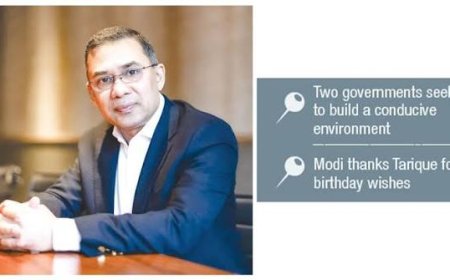











































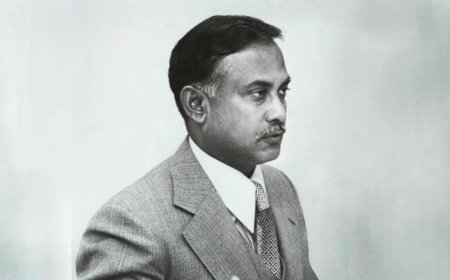
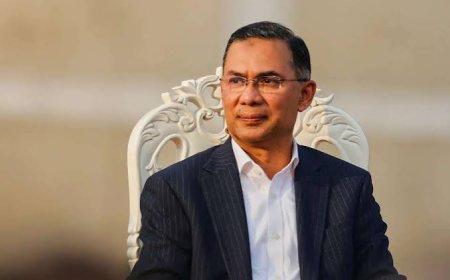


The Diplomat describes Tarique Rahman as Bangladesh’s “probable next prime minister.”
The Diplomat describes Tarique Rahman as Bangladesh’s “probable next prime minister.”

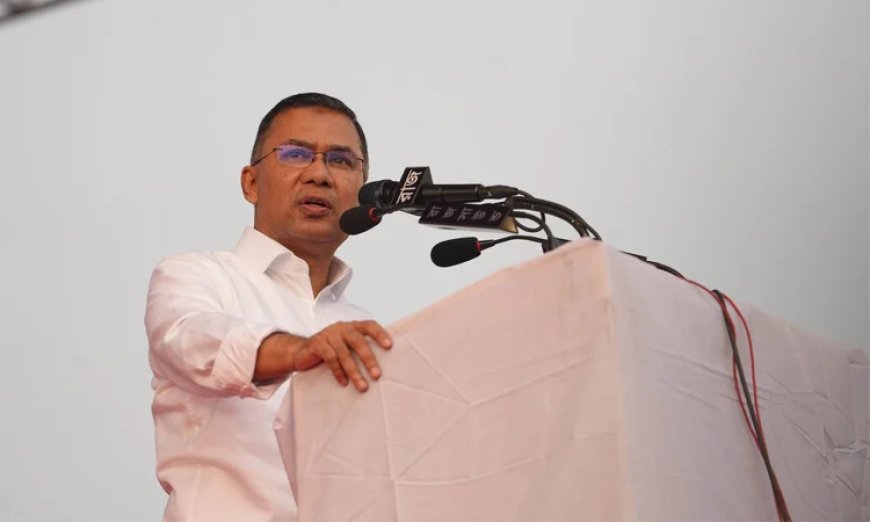
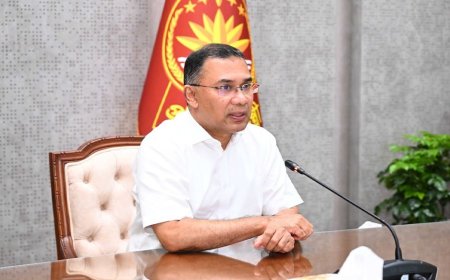
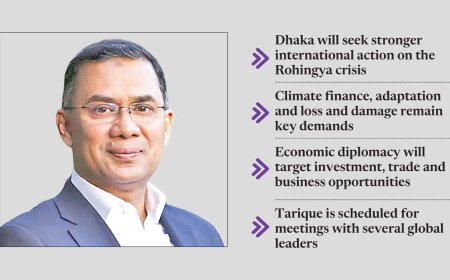
US-based news magazine The Diplomat on Tuesday published an analysis of Bangladesh’s February 12 general election, predicting that BNP Chairman Tarique Rahman is likely to emerge as the country’s next prime minister following the polls.
The article, titled “An Interview With Tarique Rahman – Likely Bangladesh’s Next Prime Minister,” cited multiple pre-election opinion surveys indicating strong public support for Rahman and the Bangladesh Nationalist Party (BNP).
Referring to these polls, The Diplomat described Rahman as the frontrunner for the premiership, echoing similar assessments by international outlets such as Bloomberg, Time, and The Economist, which have all identified him as leading the race under the interim government headed by Nobel Peace Prize laureate Muhammad Yunus.
One opinion survey conducted in December showed BNP support at around 70 percent, far ahead of its closest rival, Jamaat-e-Islami (JI), which stood at 19 percent. Another survey by private firm Innovision Consulting found that more than 47 percent of respondents believed Rahman would become prime minister, while 22.5 percent expected JI chief Shafiqur Rahman to take the post.
The analysis highlighted Gen Z voters as a decisive force in the election, noting that a significant share of the electorate belongs to the younger generation. “A large portion of voters in this election are from Gen Z, meaning Bangladesh’s youth will decide the next prime minister,” the article said, adding that many Gen Z voters are attending BNP political programmes led by Tarique Rahman.
The interview with Rahman was conducted while he was travelling by bus to an election rally in central Tangail, shortly after addressing another rally in northwestern Sirajganj. During the conversation, he outlined his domestic and foreign policy priorities.
On engaging Gen Z voters, Rahman told The Diplomat that BNP is focusing on issues that resonate with young people, including job creation, technical education, sports, the IT sector, and employment opportunities. He said most attendees at recent rallies were from Gen Z and noted that he regularly listens to students through a programme called “The Plan,” where university students share their views and concerns.
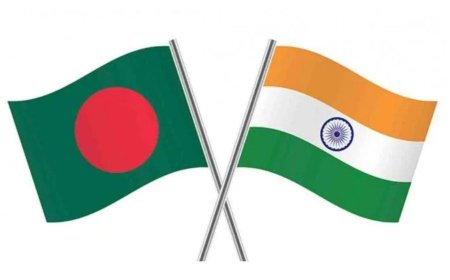
Asked about foreign policy amid criticism that the previous Awami League government pursued an India-centric approach, Rahman said his government would follow a “Bangladesh First” policy. “Our national interest must come first,” he said, stressing an economy-driven foreign policy based on mutual trust, respect, and benefit.
On governance, Rahman said BNP would promote peaceful coexistence, mutual political respect, the rule of law, freedom of speech, and the protection of human rights.
Responding to questions about potential challenges from Gen Z voters aligned with the National Citizens Party (NCP), Rahman said he did not feel threatened. “We are going to the people with our plans and commitments, and others are doing the same. The people will decide,” he said.
Addressing skepticism over his pledge to turn Bangladesh into a trillion-dollar economy, Rahman acknowledged the difficulty but said it was achievable. He noted that Bangladesh’s economy currently relies heavily on garments and remittances—both introduced during BNP governments—and said future growth would focus on IT, semiconductors, light engineering, footwear, SMEs, processed food, fisheries, agriculture exports, and the creative economy.
On tackling loan defaults and money laundering, Rahman pledged strong financial governance, transparency, and accountability. He also emphasized restoring law and order to ensure public safety and economic stability.
Regarding climate change, Rahman said BNP would mobilize funds from the Global Climate Fund, excavate 20,000 kilometers of canals, and plant 250 million trees, describing these measures as necessary rather than overly ambitious.
Concluding on electoral commitments, Rahman said BNP would implement its 31-point charter, prioritizing seven core areas including family welfare, farmers, healthcare, employment, and education. “We will establish the power of the people,” he said, calling it his commitment to the nation.
What's Your Reaction?