























PM Orders RMG Factories to Continue Operations, Strengthen Security Measures
PM Orders RMG Factories to Continue Operations, Strengthen Security Measures

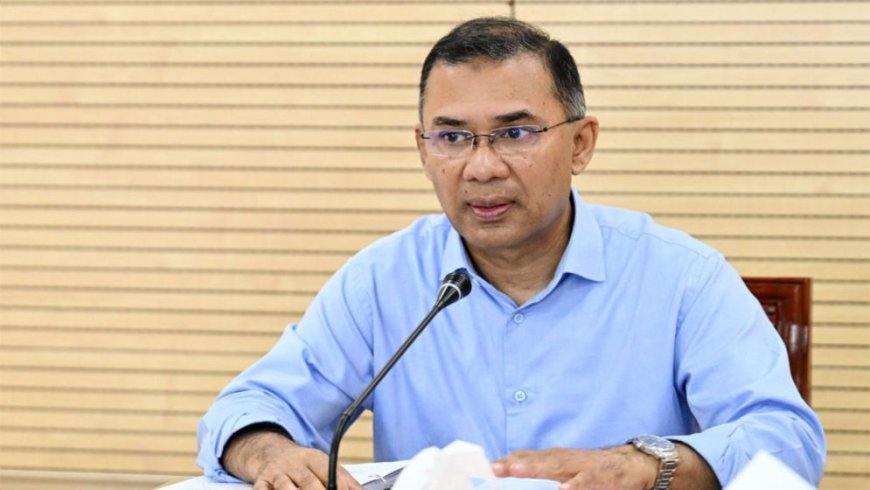
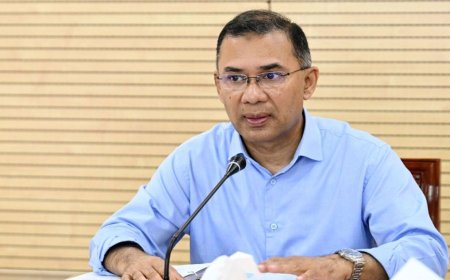
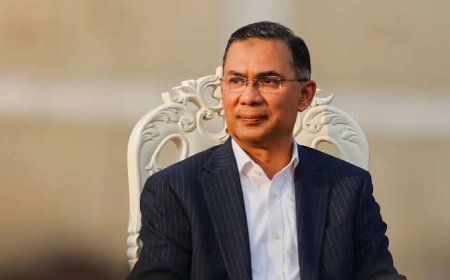
Prime Minister Tarique Rahman on Sunday directed law enforcement agencies and relevant authorities to ensure the continued operation of ready-made garment (RMG) factories while protecting lives and property amid escalating labour unrest in and around Dhaka.
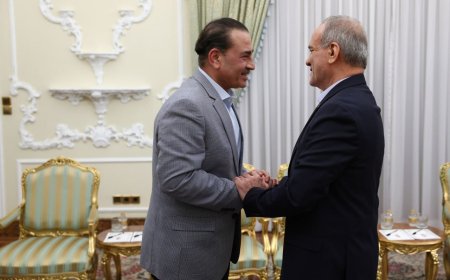
The directive came during a meeting with ministers and advisers at the Secretariat on Sunday evening, Labour and Employment Minister Ariful Haque Choudhury told reporters after the meeting.
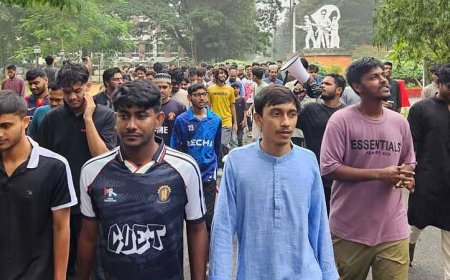
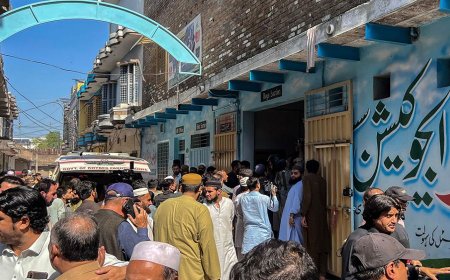
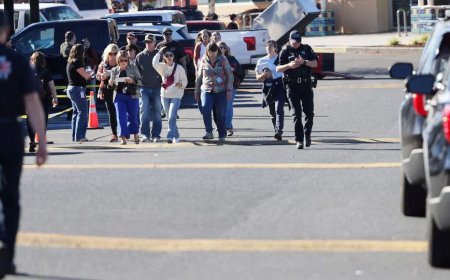
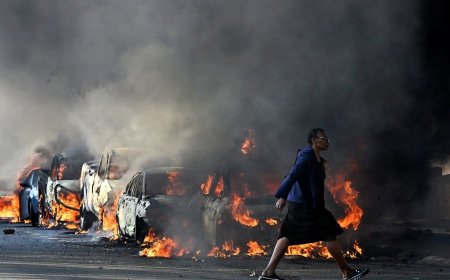
Amid demonstrations and violence, around 300 garment factories suspended operations on Sunday, while work boycotts disrupted production at hundreds of others, dealing a significant blow to Bangladesh’s leading export-oriented industry.
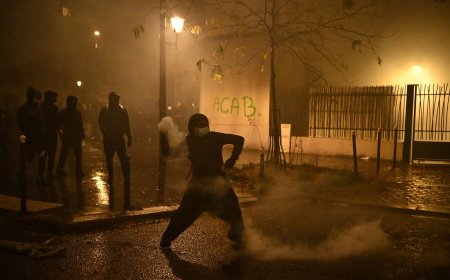
Workers have been demanding higher wages. However, despite government assurances, protests have turned increasingly violent over the past two days.
Speaking at the briefing, Ariful Haque Choudhury said attempts were being made to destabilise the garment industry ahead of December. He added that the government would counter such attempts through political means.
The government is working to restore normal operations across the country’s industrial zones while examining the underlying causes of the unrest, the minister said.
A six-member wage board has already been formed to consider possible pay increases for garment workers. The board is expected to reach a constructive decision soon, he added.
Authorities have also instructed law enforcement agencies to remain vigilant and prevent the spreading protests from undermining security in industrial areas and surrounding communities.
Factories Urged to Reopen on Monday
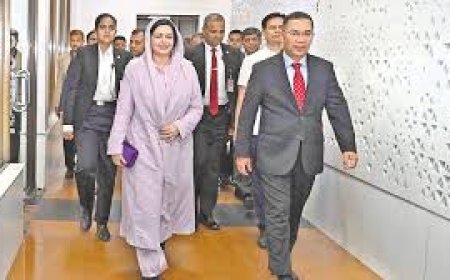
Home Minister Salahuddin Ahmed, who attended the meeting chaired by the prime minister, urged factory owners and managers to reopen temporarily closed facilities from Monday.
He called on them to maintain production through consultations with protesting workers and help protect the country’s export earnings.
The unrest has also fuelled speculation about possible political instability in December. In August, Sheikh Hasina, the ousted former prime minister who faces a death sentence and remains in exile in India, reportedly told reporters that she planned to return to Bangladesh in December.
Subsequently, rumours circulated that the banned Awami League and its affiliated groups could organise large-scale demonstrations or attempt sabotage during the month to facilitate her potential return.
‘Real Workers Do Not Resort to Violence’
Home Minister Salahuddin Ahmed alleged that individuals operating from across the border were encouraging and supporting violence during the workers’ protests.
He said masked individuals had been seen infiltrating demonstrations and engaging in violent activities to advance what he described as their own interests.
According to the minister, their objective was to disrupt Bangladesh’s export earnings, and the government would take strict action against those responsible. He also claimed that some suspected infiltrators had already been detained.
Salahuddin maintained that genuine workers seeking to establish their legitimate demands would pursue dialogue rather than resort to violence.
He added that Prime Minister Tarique Rahman had instructed the relevant authorities, including the wage board and the Labour Ministry, to protect workers’ interests and improve their living standards.
What's Your Reaction?