

















































Govt plans to expand electric train network to Chattogram following pilot project
Govt plans to expand electric train network to Chattogram following pilot project

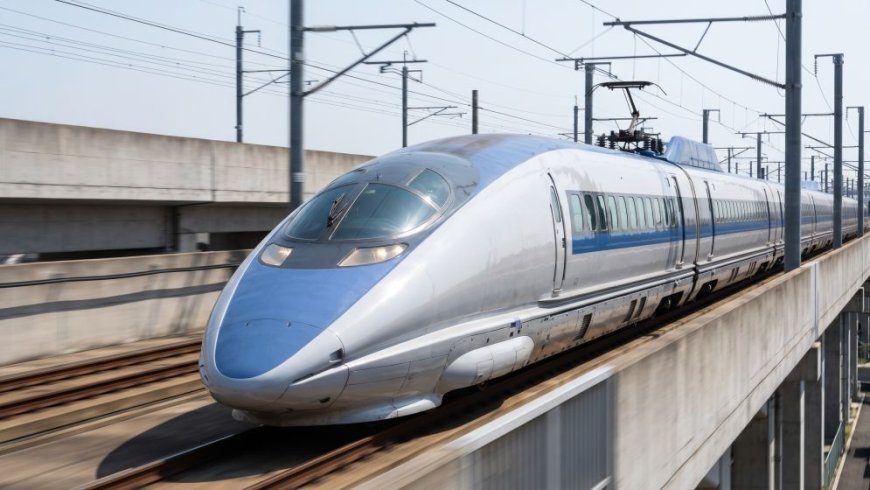
The government plans to expand its proposed electric train network to Chattogram after implementing a pilot project on the Narayanganj-Dhaka-Joydebpur railway corridor, marking a major step towards modernising the country's railway system.
The proposed expansion is expected to bring electric train services to the Dhaka-Chattogram corridor, one of the country's busiest railway routes, improving passenger transportation, accelerating freight movement and reducing dependence on fossil fuels.
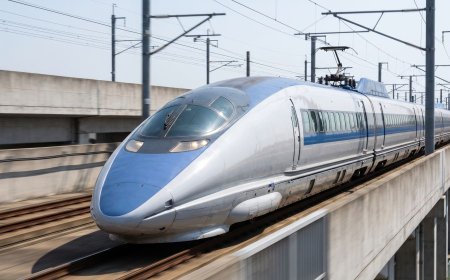
Bangladesh Railway Planning Cell and Chief Planning Officer (CPO) Engineer Md Rafiqul Islam said the government has initiated a plan to introduce modern electric trains capable of travelling at speeds of up to 140 kilometres per hour. The Narayanganj-Dhaka-Joydebpur section has been selected as the country's first electric railway corridor.
The pilot project has already received approval from the Executive Committee of the National Economic Council (ECNEC), he said.
Estimated to cost around Tk3,500 crore, the project will be financed primarily by the Asian Development Bank (ADB), while the government will cover domestic expenses, including costs related to imported materials, customs duties and VAT.
The tendering process is expected to be completed by 2027, with major construction activities scheduled to gain momentum from mid-2028.
Under the pilot project, 16 sets of modern Electric Multiple Unit (EMU) trains will be imported. The trains will have driving facilities at both ends, eliminating the need to turn them around and enabling more frequent services.
Extending electric train services to Chattogram would represent the next major phase of the country's railway modernisation programme.
Rafiqul Islam said the Dhaka-Chattogram route holds particular importance for both passenger and freight transportation, as it connects the capital with the country's principal seaport and major commercial centres.
Introducing electric trains on this corridor could significantly improve the transportation of containers and heavy goods while reducing travel times and operational costs, he added.
Currently, only around 60,000 to 70,000 twenty-foot equivalent units (TEUs) of containers are transported annually by rail from Chattogram to Dhaka, accounting for approximately 3% of the total container traffic, he said.
The Dhirashram Inland Container Depot (ICD) project aims to increase annual rail-based container transportation capacity to 450,000 TEUs, creating greater opportunities for freight movement by rail.
The proposed expansion of electric train services, alongside the development of modern freight-handling facilities, is expected to strengthen Bangladesh Railway's commercial capacity, Rafiqul Islam said.
To support the introduction and subsequent expansion of electric train services, Bangladesh Railway is also undertaking several infrastructure development projects.
Rafiqul Islam said construction of the third and fourth railway lines between Dhaka and Tongi is progressing, while double-line construction on the Tongi-Joydebpur section has already been completed.
Additional land is being acquired at Joydebpur to establish a modern EMU depot and workshop to meet the maintenance and operational requirements of electric trains, he said.
Meanwhile, existing metre-gauge lines on the Tongi-Akhaura and Laksam-Chattogram routes are being converted into dual-gauge double lines, an initiative expected to strengthen the infrastructure required for future railway electrification.
Bangladesh Railway is prioritising electric trains capable of reaching speeds of up to 140 kilometres per hour rather than pursuing bullet train services with speeds of around 350 kilometres per hour.
According to Rafiqul Islam, introducing bullet trains would require an estimated investment of Tk150,000 crore to Tk250,000 crore, in addition to posing significant challenges involving land acquisition and the country's densely populated agricultural landscape.
Considering these constraints, the proposed electric train system is viewed as a more practical and cost-effective approach to modernising railway transportation while limiting infrastructure expenses and land requirements, he said.
The introduction of electric trains is also expected to help reduce carbon emissions, air pollution and reliance on fossil fuels.
Rafiqul Islam said Bangladesh Railway is evaluating the environmental benefits and potential carbon emission reductions of its new projects, including opportunities to generate carbon credits through internationally recognised mechanisms.
The Narayanganj-Dhaka-Joydebpur pilot project is expected to lay the groundwork for a wider electric railway network, with Chattogram identified as the next major expansion destination.
Once extended, the network could significantly transform passenger and freight transportation by improving connectivity, increasing operational efficiency and supporting a more environmentally sustainable railway system.
What's Your Reaction?