












































Govt moves to reopen jute mills, plans to create 50,000 jobs
Govt moves to reopen jute mills, plans to create 50,000 jobs

The government has launched an initiative to reopen long-shut jute mills under the Bangladesh Jute Mills Corporation (BJMC) in phases, with stakeholders estimating that the move could create employment for around 50,000 people nationwide.
Production has already resumed at nine of the 17 mills leased to private operators, generating jobs for approximately 9,500 people.
The initiative is part of the government's election commitments to expand employment, attract investment and ensure better use of idle state-owned assets. Steps have consequently been taken to reopen several closed industries, including BJMC-run jute mills.
The leasing process for three additional BJMC-owned mills to private companies is currently underway. The mills are MM Jute Mills in Sitakunda, Chattogram; KFD Limited in Rangunia; and Cooperative Jute Mills in Palash, Narsingdi.
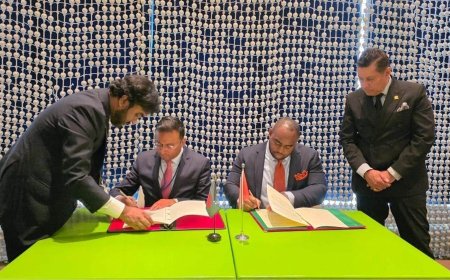
Officials at the Ministry of Textiles and Jute said lease agreements have recently been signed with two private groups for three state-owned mills.
PRAN-RFL Group has secured leases for Jatiya Jute Mills in Sirajganj and Star Jute Mills in Khulna, while HAMKO Group has taken over Platinum Jubilee Jute Mills in Khulna.
Under the agreements, the three mills will resume operations under private management after remaining closed for years. Once operational, they are expected to employ at least 11,629 people, attract investments worth Tk619 crore and generate annual revenue of around Tk1,175 crore.
Jatiya Jute Mills in Raipur, Sirajganj, is set to receive an investment of about Tk157 crore. The reopened mill is expected to employ 5,238 people and generate annual revenue of approximately Tk500 crore.
Star Jute Mills in Dighalia, Khulna, is expected to receive around Tk250 crore in investment. It is also projected to employ 5,238 people and generate annual gross revenue of about Tk500 crore once production resumes.
Meanwhile, approximately Tk212 crore is planned to be invested in Platinum Jubilee Jute Mills in Khalishpur, Khulna. The mill is expected to create at least 1,153 jobs and generate annual gross revenue of around Tk175 crore.
BJMC Chief Operating Officer Md Mamunur Rashid told BSS that the corporation currently owns 25 jute mills.
He said the mills had been shut down because of persistent losses and their inability to compete with private-sector enterprises. The government subsequently decided to lease 20 of the 25 mills to private operators, with agreements for 17 already finalised.
The leasing process for the remaining three mills is currently underway, Rashid said.
Of the five mills not included in the leasing programme, Karim Jute Mills and Latif Bawany Jute Mills in Demra, Dhaka, are being prepared for handover to the Bangladesh Economic Zones Authority (BEZA) for the development of economic zones.
Legal proceedings are continuing over BDCF Baghdad-Dhaka Carpet Factory in Chattogram and Alim Jute Mills in Khulna. Meanwhile, Amin Jute Mills in Sitakunda has been recovered, and its lessee is expected to restart production by next December.
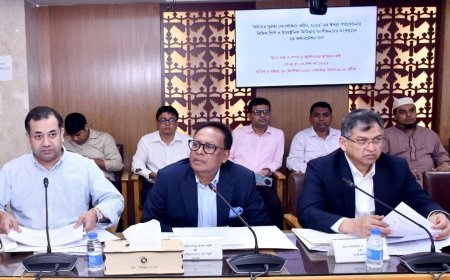
State Minister for Textiles and Jute Md Shariful Alam said the previous Awami League government shut down the BJMC mills in 2020. After taking office this year, the current government initiated measures to reopen the mills under private management.
He said the initiative is aimed at generating employment, strengthening the economy and ensuring productive use of idle assets. According to him, the mills are being leased through a transparent tendering process under the public-private partnership (PPP) model to attract both domestic and foreign investment.
Shariful Alam said the government is also encouraging greater use of environmentally friendly jute and providing support, including credit facilities, to increase investment in jute and jute-based products.
Such measures are expected to increase domestic jute consumption, create jobs and reduce reliance on environmentally harmful polythene and plastic products, he added.
The state minister also highlighted the role of the Jute Diversification Promotion Centre (JDPC) in expanding the use of jute products. Alongside government incentives, the centre is supporting domestic and international exhibitions, artisan training and market expansion through Bangladesh's overseas missions.
On July 1, 2020, the then Awami League government shut down 25 state-owned jute mills citing persistent losses. Around 25,000 permanent workers received their dues under a "Golden Handshake" scheme. The government later decided to lease the mills to private operators for periods ranging from five to 20 years.
Stakeholders expect the reopening of the mills to help revive the country's industrial sector, expand employment and create new opportunities for Bangladesh's environmentally friendly jute industry.
What's Your Reaction?