






























































Higher education must be aligned with employment and entrepreneurship: Amir Khosru
Higher education must be aligned with employment and entrepreneurship: Amir Khosru

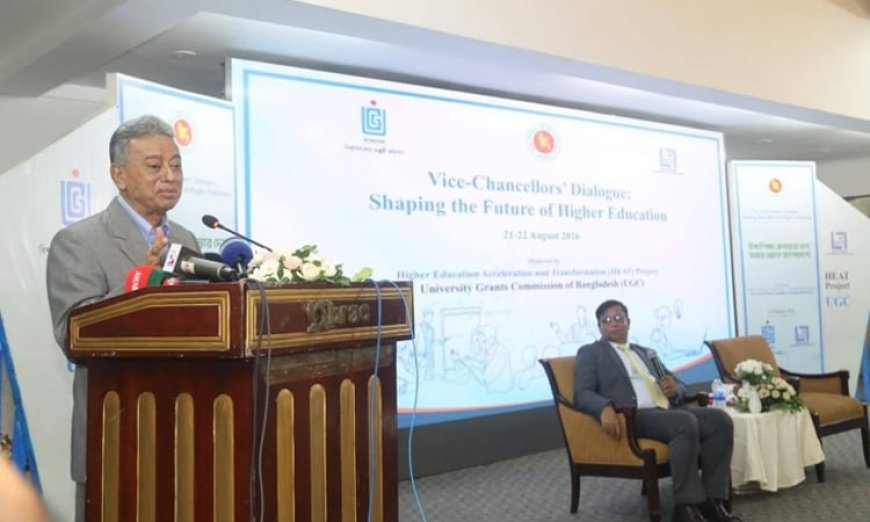
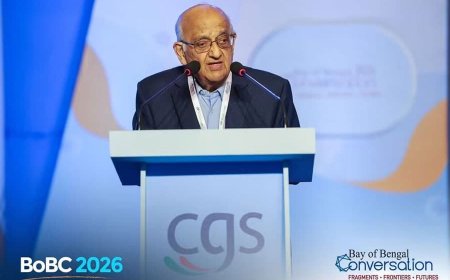
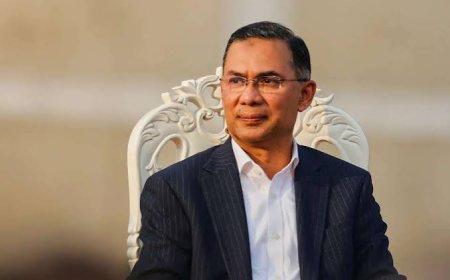
Finance and Planning Minister Amir Khosru Mahmud Chowdhury today called for aligning higher education with employment and entrepreneurship, urging universities to design faculties and academic programmes based on priority sectors, labour market demand and regional economic needs.
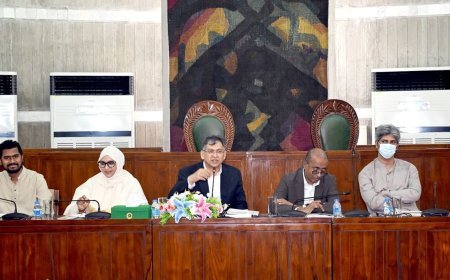
Speaking at the ‘Vice-Chancellors’ Dialogue: Shaping the Future of Higher Education’ in Savar, he said higher education should go beyond awarding certificates and equip students with the skills needed for jobs and entrepreneurship.
“Higher education subjects and curricula must be determined in line with the country’s economic needs and labour market realities,” he said.
The minister stressed the need for stronger collaboration between universities and industries, noting that close university-industry partnerships in other countries have helped drive innovation, employment and economic growth.
He also highlighted the importance of research, urging universities to focus on practical problems faced by industries and businesses and encouraging the private sector to finance research and commercialise its findings.
“Research should not remain confined to publications; it must contribute to national development and people’s welfare,” he said.
Khosru questioned the academic structures of newly established universities, saying their faculties and subjects should be selected according to specific regional, educational and employment needs.
He said new universities had an opportunity to address existing weaknesses in the higher education system from the outset. He also said he would ask the University Grants Commission (UGC) to develop guidelines for introducing faculties and subjects at new universities based on regional priorities, key economic sectors and employment prospects.
The minister said education had received the government’s highest budgetary allocation despite fiscal constraints and reaffirmed the government’s commitment to increasing education spending to five percent of GDP as the economy expands.
On private universities, he said tax-related issues had been addressed and urged institutions to demonstrate their compliance with government requirements through transparent annual reports containing facts and figures.
The two-day dialogue, organised under the UGC’s Higher Education Acceleration and Transformation (HEAT) Project, brings together vice-chancellors from around 65 public and private universities, policymakers, academics and experts to discuss higher education leadership, governance, teaching quality, research, innovation, industry collaboration, artificial intelligence and digital transformation.
What's Your Reaction?