


















































US Deploys Third Aircraft Carrier, 10,000 Troops to Middle East as Iran Prepares Stronger Response
US Deploys Third Aircraft Carrier, 10,000 Troops to Middle East as Iran Prepares Stronger Response

US Deploys 10,000 Sailors and Marines to Middle East as Iran Prepares Wider Retaliation
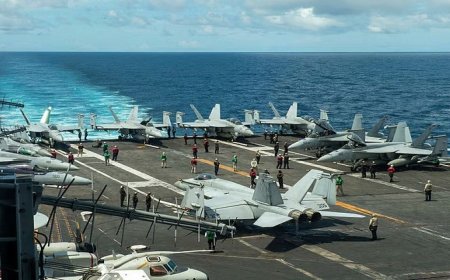
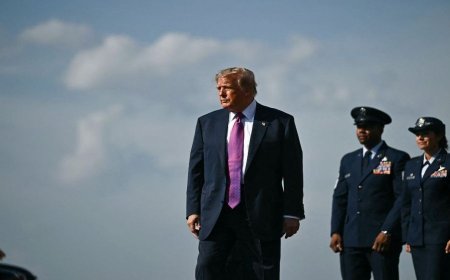
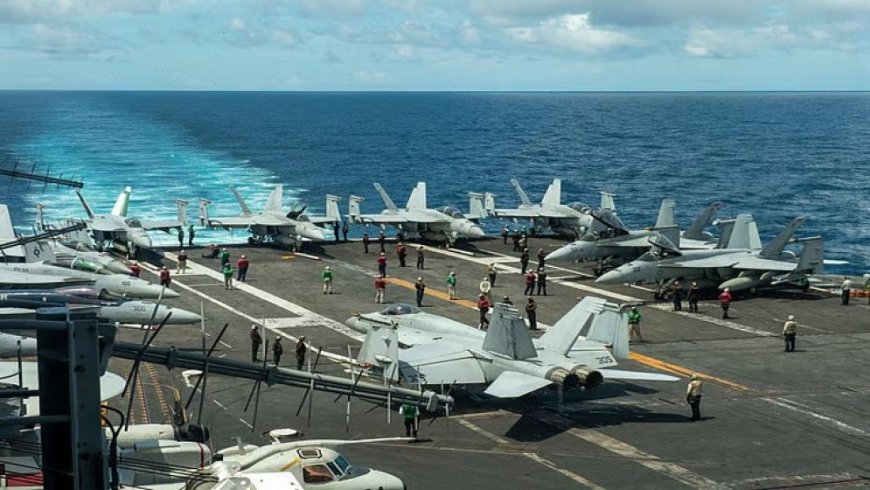
The United States is deploying up to 10,000 sailors and Marines aboard a fleet of warships to the Middle East, in a major military buildup that could bring three American aircraft carriers to the region by late October or November as President Donald Trump warns that fresh strikes against Iran remain an option.
The deployment, confirmed by US officials speaking anonymously due to the sensitivity of military operations, represents one of the largest concentrations of American naval forces in the Gulf and Arabian Sea since the 2003 invasion of Iraq.
Meanwhile, Iran is preparing a broader and more forceful response than its previous actions before the ceasefire, amid stalled diplomatic efforts and the possibility of renewed large-scale US attacks after November 3.
Tehran is simultaneously pursuing diplomatic engagement, although Iranian officials privately acknowledge that the chances of a breakthrough remain slim.
The preparations reflect Iran's leadership determination to respond more forcefully to any renewed American military campaign, even as both sides continue efforts to prevent further escalation through negotiations.
Three senior Iranian officials and an individual familiar with the discussions said military commanders are examining plans to expand potential targets beyond US-linked facilities to countries supporting American military operations, and possibly locations outside the Middle East.
US Naval Presence Expands
The latest American deployment involves two major naval formations departing from the Pacific.
The USS Theodore Roosevelt carrier strike group left San Diego on September 27, accompanied by its aircraft wing, destroyers and the guided-missile cruiser USS Chosin.
The USS Makin Island amphibious readiness group, carrying approximately 2,000 Marines from the 13th Marine Expeditionary Unit, departed on September 28 aboard the landing ships USS John P Murtha and USS Anchorage.
Together, the two formations comprise approximately 8,000 sailors and 2,000 Marines, according to US officials.
Upon arrival, expected by the end of November, they will reinforce the USS George H W Bush and USS George Washington, which are already operating in the Arabian Sea and surrounding waters alongside the USS Boxer amphibious group and several destroyers.
If all three aircraft carriers remain deployed simultaneously, it would mark the first time since April that three US carrier strike groups have operated in the Middle East, before a fragile ceasefire collapsed and fighting resumed in late summer.
It remains unclear whether the third carrier group will replace an existing deployment or further strengthen America's military presence.
The USS George Washington replaced the USS Abraham Lincoln in August following the latter's record-length deployment and reports of difficult conditions for its crew. Normally stationed in Japan, the George Washington primarily operates in the Pacific.
Following reports of exhausted sailors attempting to jump overboard amid shortages of essential supplies caused by Iranian attacks disrupting regional supply routes, particularly through a key Bahraini port, the Pentagon prepared the USS Theodore Roosevelt for an extended deployment.
The preparations included increasing stocks of food, hygiene products, retail goods and other essential supplies, measures highlighted by Navy leadership last month.
Officials also took steps to improve communication between sailors and their families and enhance living conditions aboard the carrier.
Iran Prepares for a Stronger Response
Hamidreza Azizi, a senior Iran analyst at the International Crisis Group, said Tehran remained uncertain whether Trump would launch another major military campaign or opt for more limited strikes, potentially targeting nuclear facilities.
However, he said Iran appeared determined to avoid a merely symbolic response and instead escalate in an effort to restore deterrence.
Tehran is also calculating the political consequences of a prolonged conflict for Trump, particularly as public opinion polls indicate opposition to the war among Americans and rising fuel prices pose concerns ahead of the midterm elections.
Two Iranian officials said Tehran had instructed allied armed groups in Lebanon, Yemen and Iraq to prepare to support Iran if Washington launches another large-scale attack.
Despite its military preparations, Iran continues to keep diplomatic channels open.
A major concern for Tehran is whether its economy can survive a prolonged confrontation under a US blockade that has halted oil exports, a vital source of government revenue. Years of sanctions and worsening economic conditions have already intensified pressure on ordinary Iranians.
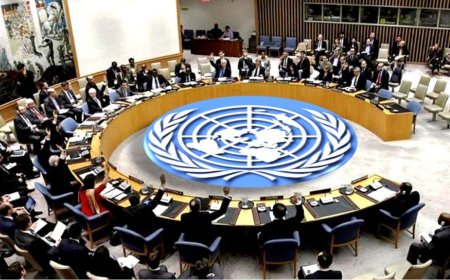
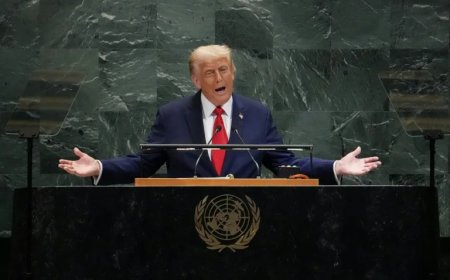
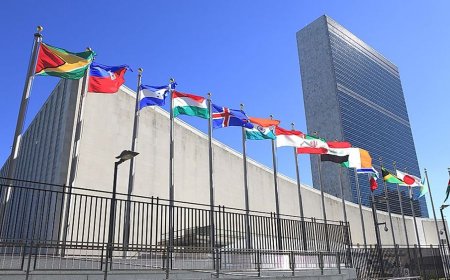
At last week's United Nations General Assembly in New York, Iran submitted a proposal to Washington through Qatari mediators that could reopen the Strait of Hormuz and end hostilities across the region within seven days if accepted.
Trump said on Saturday that he had rejected the proposal. However, Iranian state media reported that Washington delivered a response to Tehran through Qatar on Tuesday, which is now being reviewed.
Iranian sources said Washington wants the country's disputed nuclear programme included in negotiations, while Tehran insists that nuclear discussions can begin only after seven conditions are fulfilled.
One Iranian official said that even if Tehran does not reject Washington's response outright and indirect negotiations continue, an agreement between the two sides remains highly unlikely.
Alex Vatanka, director of the Iran programme at the Middle East Institute in Washington, said diplomatic prospects remained limited.
He warned that Iran could not sustain a prolonged US blockade, which could severely undermine the country's leadership, adding that further escalation was conceivable.
Conflict Raises Regional and Global Risks
Since hostilities began, the conflict has alternated between periods of relative calm and renewed attacks, killing thousands of civilians, weakening Iran's military capabilities and damaging its already fragile economy.
For Washington, the war has yet to deliver Trump's shifting objectives while placing additional pressure on Pentagon missile stockpiles.
Iran and its regional allies have sought to increase the cost of the conflict for the United States by expanding hostilities across the region, disrupting oil shipments through the Strait of Hormuz and heightening risks to international energy markets.
Iran has launched drone and missile attacks against US allies in the Gulf, while Houthi forces in Yemen have targeted Saudi interests.
The Houthis' advances towards the Bab el-Mandeb Strait have created another pressure point along global energy routes, giving the Iran-aligned group potential leverage over the southern entrance to the Red Sea.
An individual close to Iran's decision-making process said the combined impact of military pressure and economic restrictions was becoming increasingly difficult for the country's clerical leadership to withstand.
What's Your Reaction?