








































































U.S. and Canada Fail to Reach Trade Deal, Triggering Trump Tariffs
U.S. and Canada Fail to Reach Trade Deal, Triggering Trump Tariffs


Hefty US tariffs on certain Canadian products came into effect Saturday after last-minute negotiations between Washington and Ottawa failed to produce a trade agreement.
Canadian Prime Minister Mark Carney vowed to respond by matching the US tariffs “dollar for dollar” to protect Canadian workers and businesses. Officials from both countries confirmed late Friday that they had been unable to reach a final deal.
The failure means new 50% tariffs on around $20 billion worth of Canadian exports to the United States are now in force.
US Trade Representative Jamieson Greer said Canada had declined to finalize the agreement under terms that had been discussed earlier in the week. He added that Washington had offered tariff reductions on key sectors, including steel, aluminum, automobiles and lumber, in exchange for concessions from Canada.
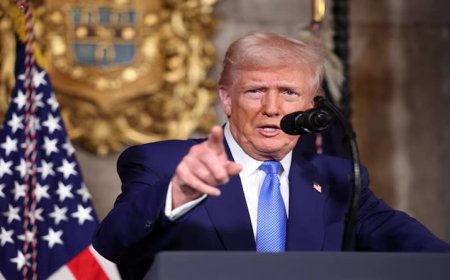
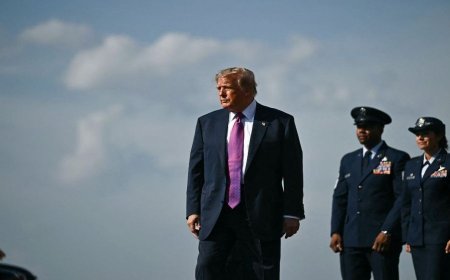
The development came despite US President Donald Trump expressing optimism earlier Friday that Washington and Ottawa could reach an agreement, pointing to his “good relationship” with Carney.
Following several hours of talks, however, Canada's chief negotiator Dominic LeBlanc said the two sides still had “more work to do.” LeBlanc and Greer had also held roughly three hours of negotiations on Thursday.
Carney said the final changes proposed by the US were “unfair” and “uneconomic,” arguing that they raised concerns about the reliability of any potential agreement.
Dispute Over Retaliatory Measures
Canadian officials said Washington was particularly unhappy with Canada's decision to remove US alcohol and wine from liquor stores as part of its retaliatory measures.
The White House has accused Canada of “discriminatory treatment” toward US alcohol, automobiles and dairy products following the introduction of retaliatory tariffs.
The new tariffs had initially been scheduled to take effect Wednesday, but Trump delayed their implementation by three days, citing significant progress in negotiations.
Canadian negotiators have spent the week in Washington attempting to resolve major trade disputes. Ottawa has been seeking relief from US tariffs on automobiles, steel and aluminum, which have weighed heavily on the Canadian economy, contributed to job losses and strained the traditionally close trade relationship between the two countries.
Carney has repeatedly warned Canadians that the country's relationship with the United States has fundamentally changed, regardless of the outcome of the current negotiations.
He has also called for Canada to diversify its trade and reduce its dependence on the US, which currently accounts for about 70% of Canadian exports.
Meanwhile, Washington and Ottawa still face negotiations over revisions to the United States-Mexico-Canada Agreement (USMCA), after Trump declined to renew the existing framework last month.
What's Your Reaction?