


































Missing Firearms: Can Bangladesh’s Arms Crackdown Guarantee Peaceful Elections?
Missing Firearms: Can Bangladesh’s Arms Crackdown Guarantee Peaceful Elections?

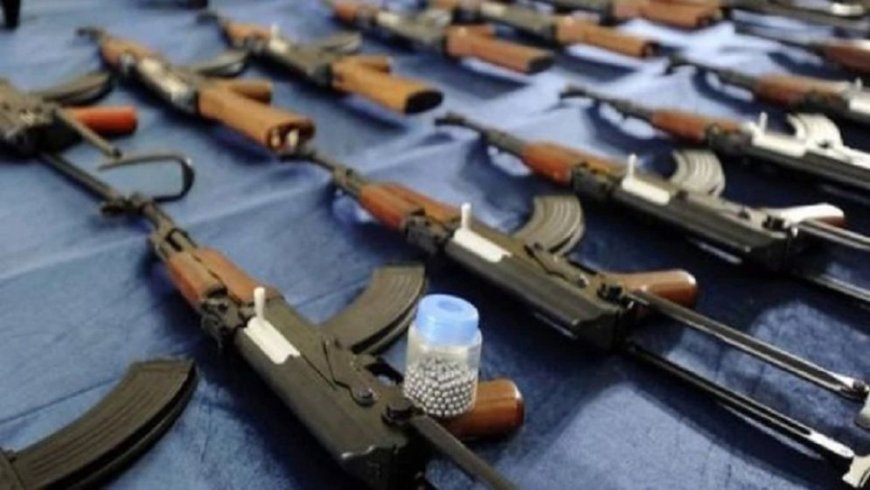
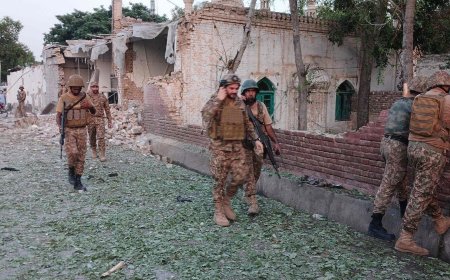
As the national election draws nearer, law enforcement agencies have intensified efforts to recover illegal firearms in a bid to prevent violence, sabotage and wider security threats.
As in past election cycles, police, the Rapid Action Battalion (RAB) and intelligence agencies have launched special drives across the country. Yet a familiar question remains: how effective are these operations on the ground?
The concern is heightened by the aftermath of the student-led mass uprising on August 5 last year, when 5,763 firearms were looted or went missing from police stations and other installations nationwide. So far, 4,426 of those weapons have been recovered, leaving 1,337 still unaccounted for.
A senior Police Headquarters official, speaking on condition of anonymity, told UNB that most of the recovered looted weapons were heavy arms. The missing stock, however, largely comprises smaller firearms such as pistols and revolvers.
While many unrecovered heavy weapons are believed to have been smuggled out through border routes, small arms pose a greater threat because they are easy to carry and conceal—raising fears that they could be used in election-related violence.
Election Pressure and the Arms Challenge
Historically, the pre-election period in Bangladesh is marked by heightened political tension and an increased risk of illegal arms use.
Previous elections have seen this phase coincide with incidents such as cocktail explosions, arson attacks and targeted violence. As a result, arms recovery drives are treated as a top priority ahead of the polls.
According to multiple law enforcement sources, coordinated nationwide operations involving police, RAB and specialised intelligence units are launched before every election to disrupt the flow of weapons before violence erupts.
AIG (Media) at Police Headquarters AHM Shahadat Hossain told UNB that arms recovery operations are currently under way across the country, with weapons being seized almost daily.
He said checkposts have been reinforced and patrols intensified, adding that operations would be further expanded once the election schedule is announced.
He also noted that future drives would rely more heavily on intelligence, as agencies have already identified violence-prone areas and stepped up surveillance ahead of the polls.
Reward Announced, Limited Returns
Several months ago, Home Affairs Adviser Lieutenant General (retd) Jahangir Alam Chowdhury and Police Headquarters announced cash rewards for the recovery of weapons looted during the August 5 unrest.
Although the move was initially welcomed, officials now admit that it has produced limited results.
A senior source at Police Headquarters told UNB that the reward scheme failed to generate major breakthroughs, noting that nearly all recovered looted weapons had been seized before the incentive was introduced.
Analysts say the expectation that illegal arms holders would voluntarily surrender weapons in exchange for cash did not materialise. Many firearms are believed to remain with organised criminal groups or to be shielded by political influence.
Another senior police official said more than 80 per cent of the unrecovered looted weapons are small arms, making their recovery before the election particularly difficult.
Shift Towards Intelligence-Led Operations
In response, Police Headquarters has adjusted its approach, moving away from broad, sweeping raids and mass arrests towards intelligence-led, targeted operations.
“Blanket operations may deliver short-term gains, but intelligence-driven actions allow us to hit the real holders and networks,” a senior police officer told UNB.
Under this strategy, the Detective Branch (DB), Special Branch (SB) and other units have stepped up field-level intelligence gathering. Known criminals, arms dealers and their networks are now under closer watch.
Measuring Effectiveness
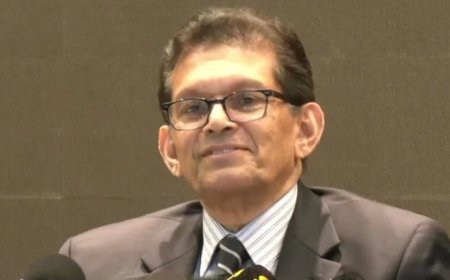
Security analyst Brigadier General (retd) Md Abdul Hamid believes intelligence-based operations are more effective over time, though their impact is not immediate. The biggest challenge, he said, is the limited window before the election.
Abdul Hamid, a former defence adviser at the Bangladesh Mission in New Delhi, said success should not be judged solely by the number of weapons recovered. “It also depends on how much election-time violence can be prevented. If major violence is avoided, the drive can be considered partially successful,” he said.
Illegal arms recovery ahead of elections remains vital. Yet despite reward offers, strategic shifts and intensified intelligence work, concrete gains on the ground have so far been modest. Experts argue that lasting success will require coordinated action against weapon sources, trafficking networks and the political protection that often shields them.
Ultimately, the true test of these operations will come on election day—when it will become clear whether the stepped-up arms recovery drive has been sufficient to ensure a peaceful vote.
What's Your Reaction?