







































Iran Tells US Military Force Cannot End Middle East War
Iran Tells US Military Force Cannot End Middle East War

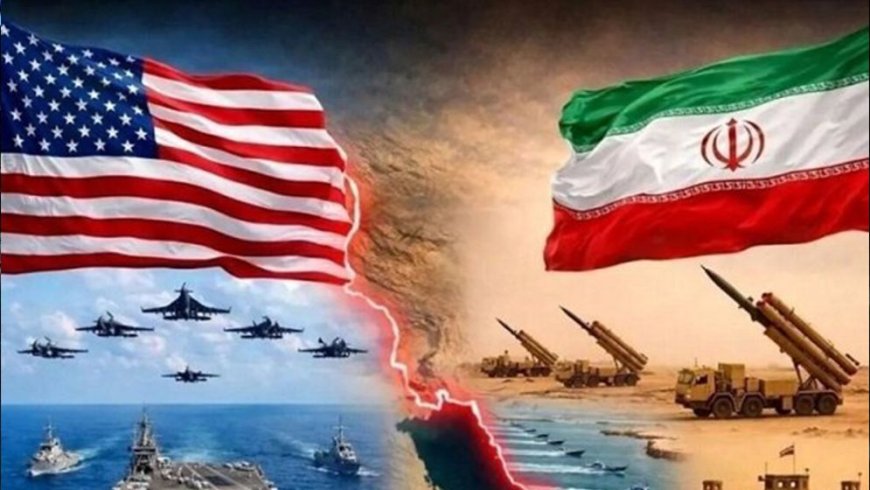
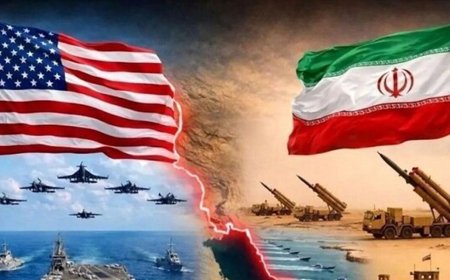
Iran's top diplomat said Sunday that there was no military solution to the conflict with the United States, as negotiations aimed at ending the war appeared to have reached a deadlock.
The statement came after weeks of intense US and Israeli bombardment failed to deliver a decisive outcome in the conflict, which began in late February. Washington has more recently reduced its military operations while increasing economic pressure on Tehran.
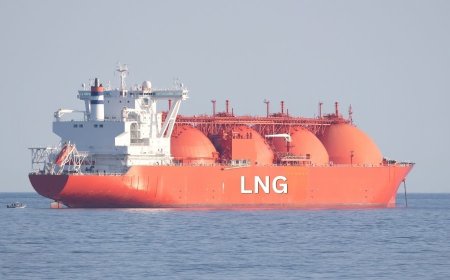
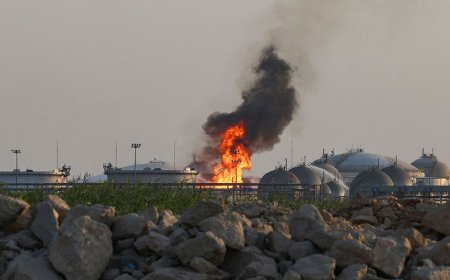
The key dispute remains Iran's efforts to restrict traffic through the Strait of Hormuz, a crucial route for global oil and gas shipments. On Sunday, the UK Maritime Trade Operations agency reported that a tanker had been hit by an unidentified projectile in the strategic waterway.
Speaking to a gathering of foreign ambassadors, Iranian Foreign Minister Abbas Araghchi warned that Tehran would respond forcefully to any renewed military confrontation.
"If our enemies again choose the path of military confrontation, our response will be stronger than before, and we will defend ourselves with even more force," he said.
Araghchi added that neither military action nor additional sanctions could resolve the conflict, saying only negotiations based on "justice and fairness" could bring an end to the war.
The two sides had agreed on a memorandum of understanding in June outlining a framework for a lasting settlement. However, renewed Iranian attacks on shipping in the Strait of Hormuz led Washington to resume military operations.
Iran has attempted to control passage through the strategic waterway since the war began, targeting vessels that transit without its approval. The United States has responded with a blockade of Iranian ports and strikes against vessels it accuses of breaching the restrictions.
The UKMTO said Sunday that a tanker reported being struck by an unknown projectile, damaging its engine room. The crew was safe, and no environmental damage was reported. The agency did not disclose when the incident occurred or provide details about the vessel's origin, destination or cargo.
Meanwhile, Iranian Oil Minister Mohsen Paknejad resigned as the United States continued its blockade of Iran's oil exports. President Masoud Pezeshkian had previously asked him to remain in office but accepted his resignation after Paknejad insisted on stepping down.
Hamid Bovard, chief executive of the National Iranian Oil Company, has been appointed as his successor.
Focus on Strait of Hormuz
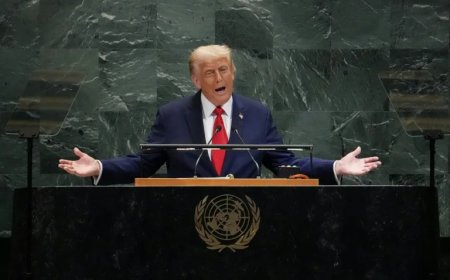
Iranian and US officials held indirect discussions last week on the sidelines of the UN General Assembly. Tehran said it had presented seven conditions for reopening the Strait of Hormuz.
The demands reportedly include a comprehensive Middle East ceasefire, the release of frozen Iranian assets, the removal of sanctions on Iran's oil industry and an end to the US naval blockade.
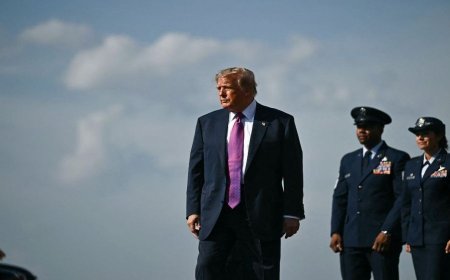
US President Donald Trump rejected the proposal but left open the possibility of further negotiations or renewed military action.
Iranian Deputy Foreign Minister Kazem Gharibabadi said Sunday that Washington had conveyed its response through intermediaries and that Tehran was reviewing it.
He said Iran would announce its position once the internal review was completed, while also preparing for other possible developments.
Foreign ministry spokesman Esmaeil Baqaei said the latest US proposal remained focused largely on nuclear issues, while Tehran's priority was the Strait of Hormuz.
He said reopening the waterway would require an end to disruptions affecting Iranian commercial shipping and the lifting of sanctions.
The United States and Israel have maintained that their military campaign is aimed at preventing Iran from developing nuclear weapons, a goal Tehran has repeatedly denied pursuing. However, the Strait of Hormuz quickly became the central issue after its closure disrupted global energy markets.
Although the United States has not carried out strikes against Iran since September 1, Washington has recently increased its military presence in the region.
What's Your Reaction?