




























































Nuclear Power Enters National Grid for the First Time
The plant’s first unit will supply electricity to the national grid for 8–10 hours on a trial basis, during which various operational tests will be conducted.

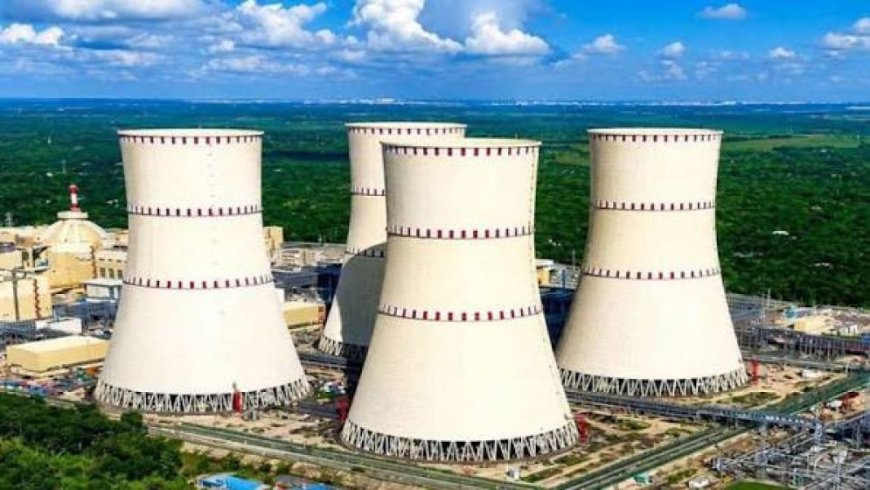
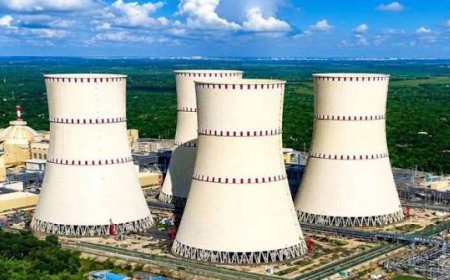
Nuclear power was added to Bangladesh's national grid for the first time on Tuesday afternoon, as the Rooppur Nuclear Power Plant (RNPP) in Pabna began supplying 350 megawatts of electricity on a trial basis.
The plant's first unit will supply electricity to the national grid for 8–10 hours at a stretch as part of its initial operational tests. The supply will then be suspended for technical examinations before resuming for another 4–6 hours after a 28-hour interval to conduct further technical and operational assessments, according to a press release issued by the power plant authorities.
Retail consumers will receive electricity generated from nuclear power whenever the RNPP supplies electricity to the national grid, the release stated.
Science and Technology Minister Faqir Mahbub Anam was present at the plant when the first supply to the national grid began on Tuesday. During the initial 8–10-hour trial, the reactor, turbine, generator and other equipment of the first unit will undergo tests to assess their operational performance.
Once all necessary technical and operational tests are completed, electricity generation will be gradually increased to 100% capacity. Each of the two units at the nuclear power plant has a generation capacity of 1,200 megawatts.
However, before increasing electricity supply to the national grid, the RNPP authorities will seek approval from the Bangladesh Atomic Energy Regulatory Authority (BAERA).
Under an agreement with Russian construction company Atomstroyexport (ASE), the RNPP authorities will gradually raise generation to full capacity over a 10-month trial and testing period.
Following the completion of the process, BAERA will provisionally take over responsibility for operating the plant's first unit. Subsequently, the government will issue a formal notification naming the state-run Nuclear Power Plant Company Bangladesh Ltd (NPCBL) as the permanent operator of the unit.
What's Your Reaction?